JUNE 2026 - A Different Kind of Drone Job: Seabird Surveying on Sule Skerry
This was a very different week for me.
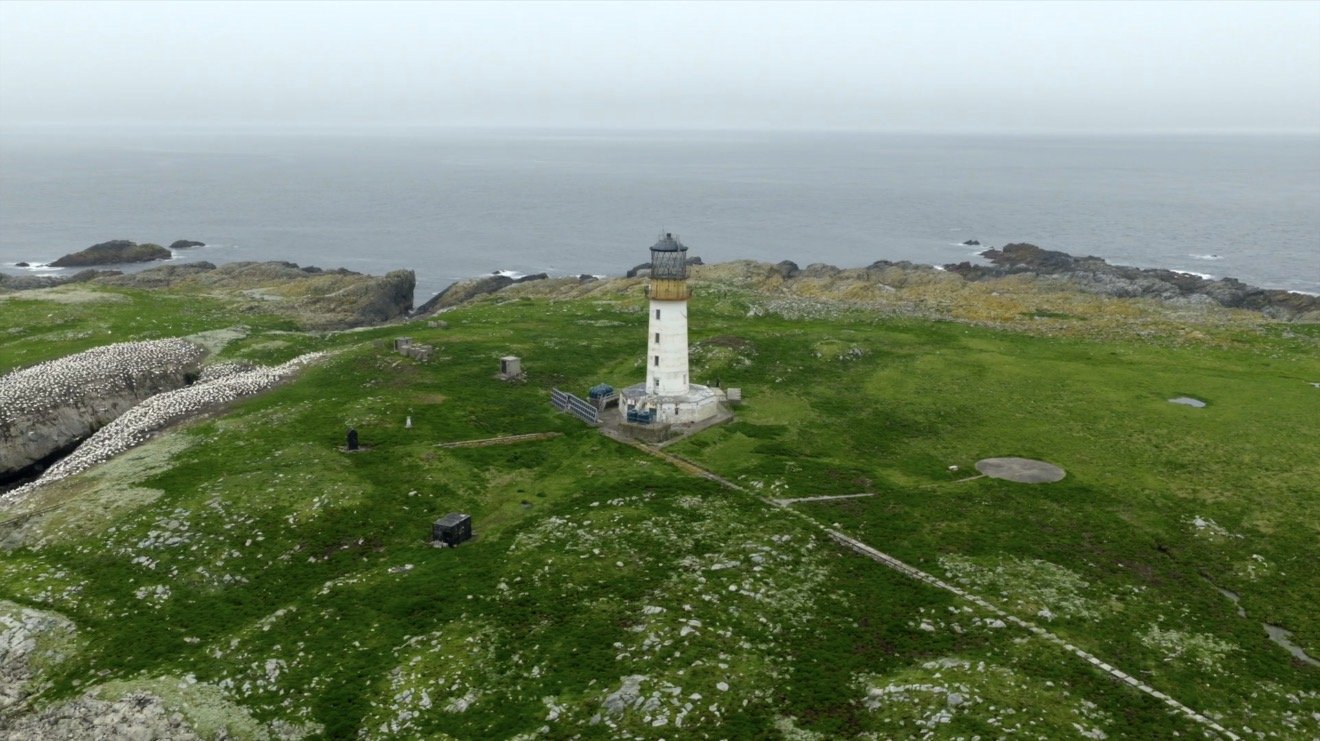
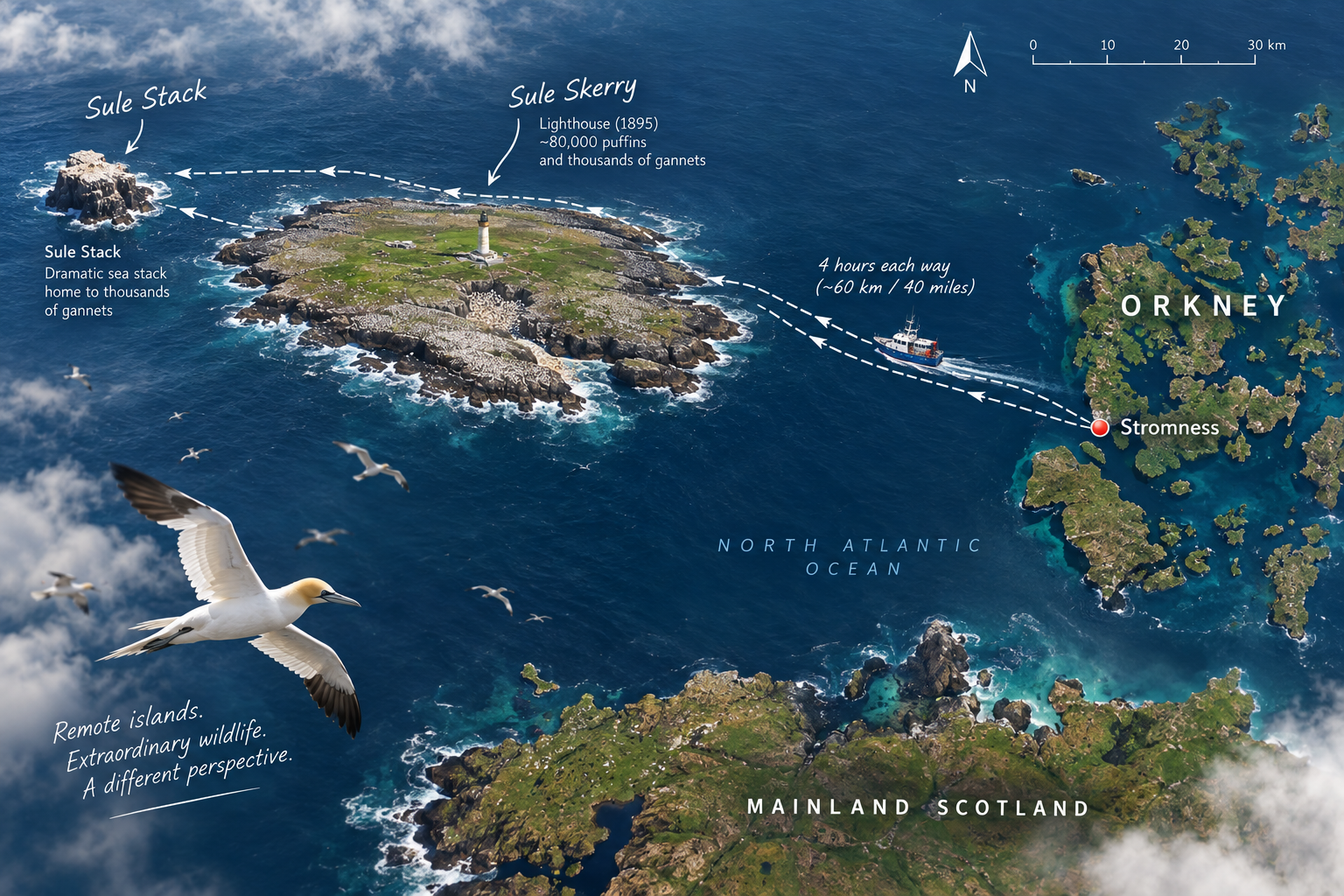
Instead of heading off on a film or TV programme, commercial or documentary, I travelled north to Orkney to help with a seabird survey on Sule Skerry and Sule Stack, two incredibly remote islands around 60 km west of Orkney.
I was working with HiDef Surveying, as part of a project involving NatureScot to survey the seabird populations out there.
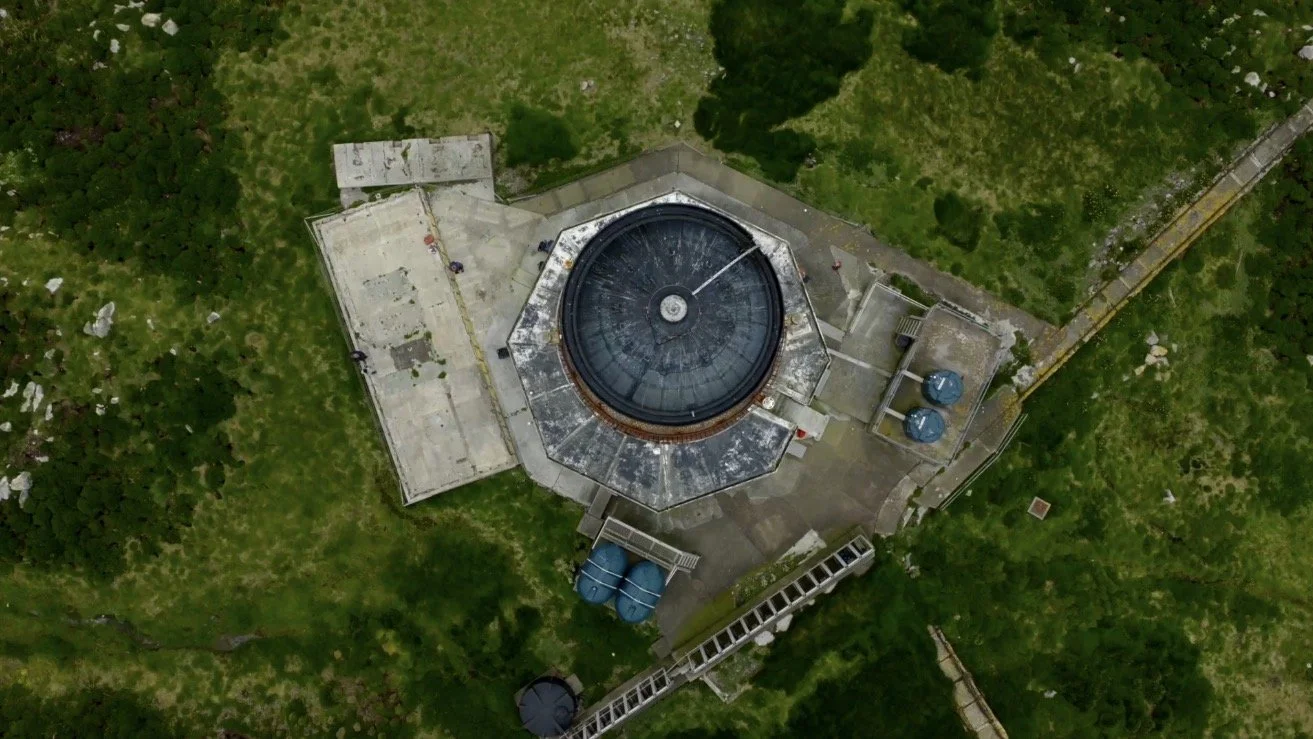
The idea was to photograph the islands systematically from the air, then stitch thousands of images together to create incredibly detailed maps which could be used to count the birds and monitor how the colonies are changing.
We were also experimenting with creating 3D models of some of the more difficult areas, particularly the steep sided stack. This was really a test to see whether a 3D model might make it easier to count birds nesting on steep cliffs and ledges, or whether the conventional stitched aerial images were still the most practical and accurate way of doing it.
It was certainly a change from my normal drone work. Usually I'm thinking about composition, light, movement and making everything look as cinematic as possible.
This time it was all about accuracy, coverage and overlap.
Four Hours into the Atlantic
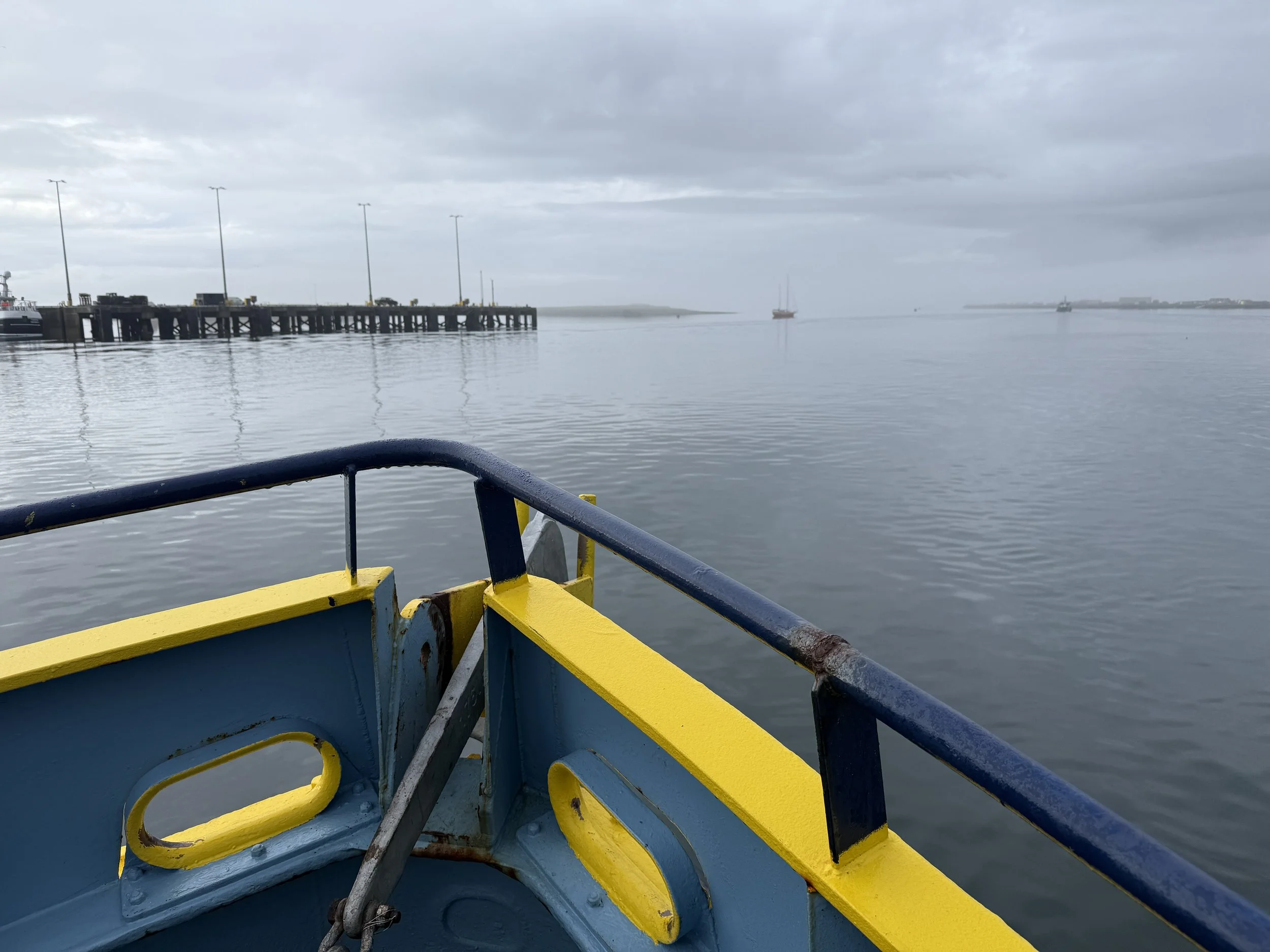
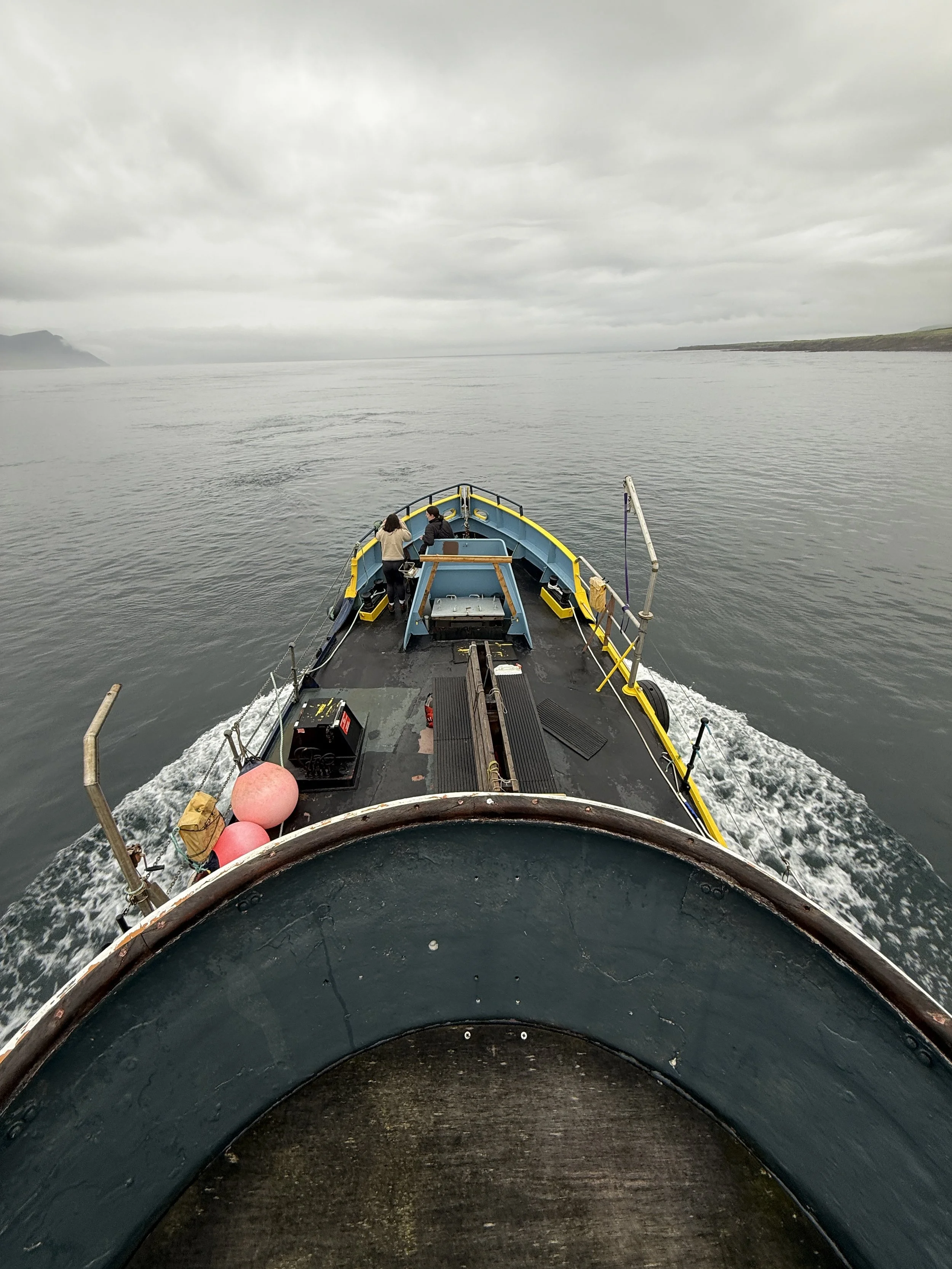
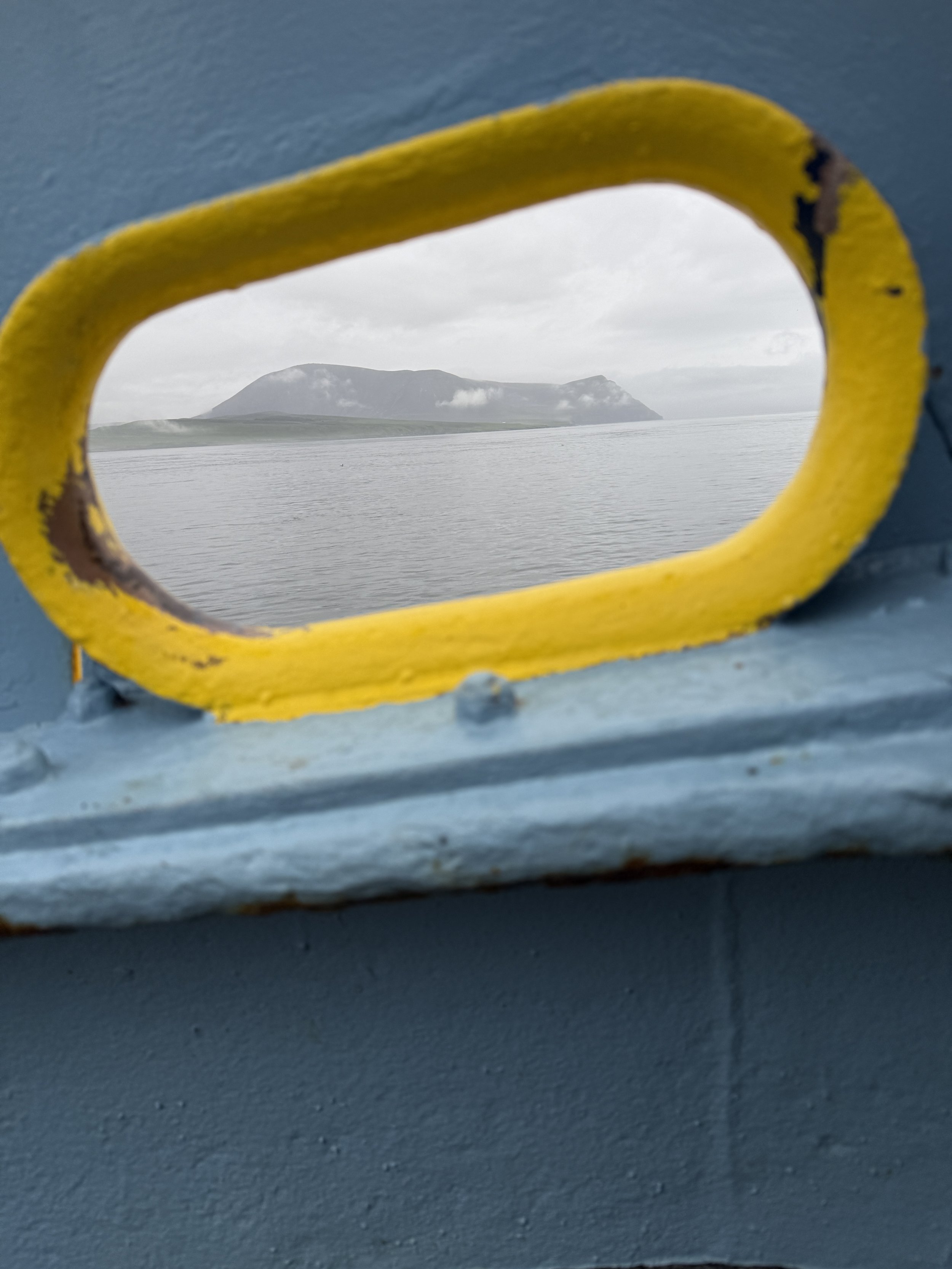
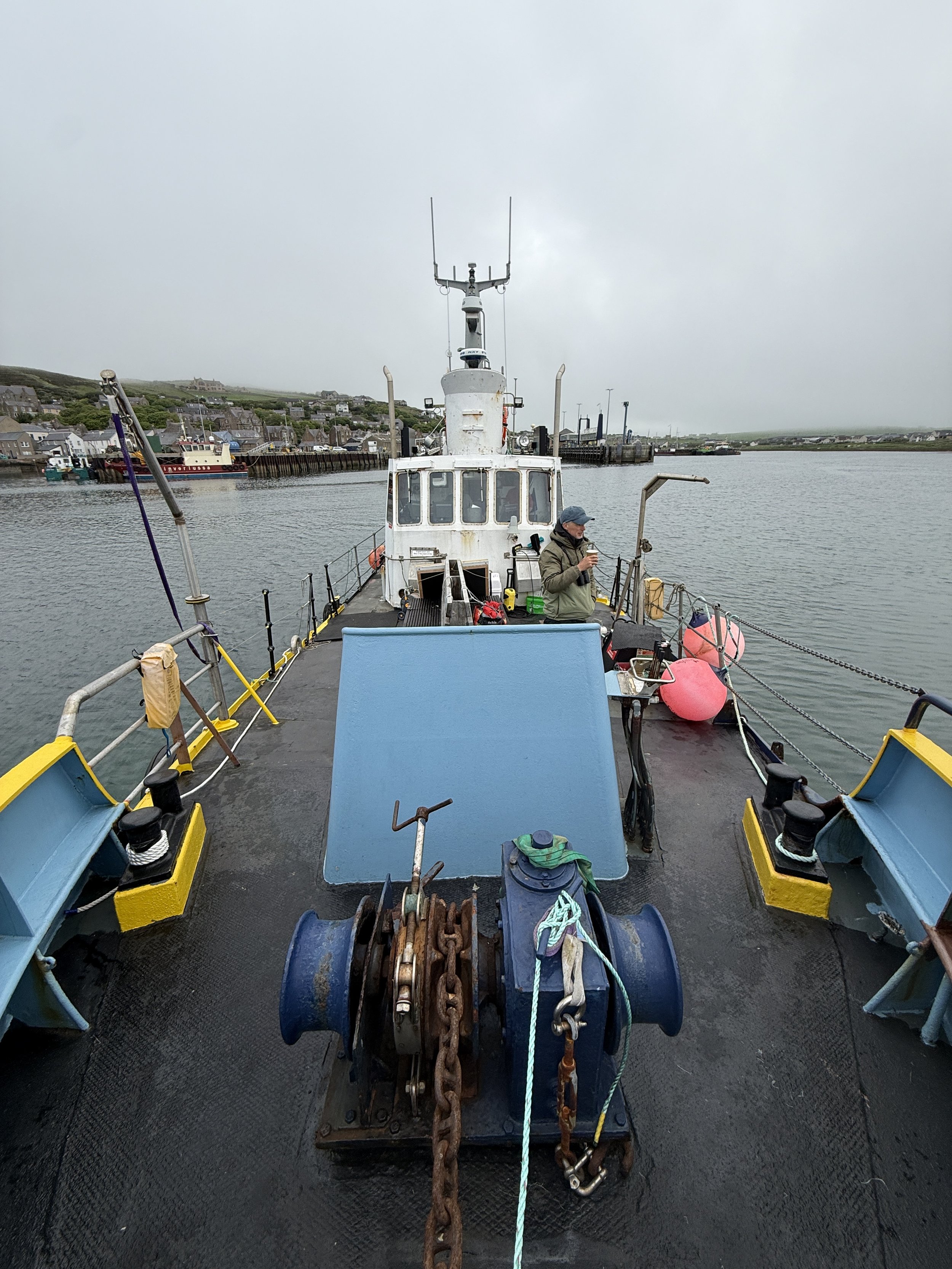
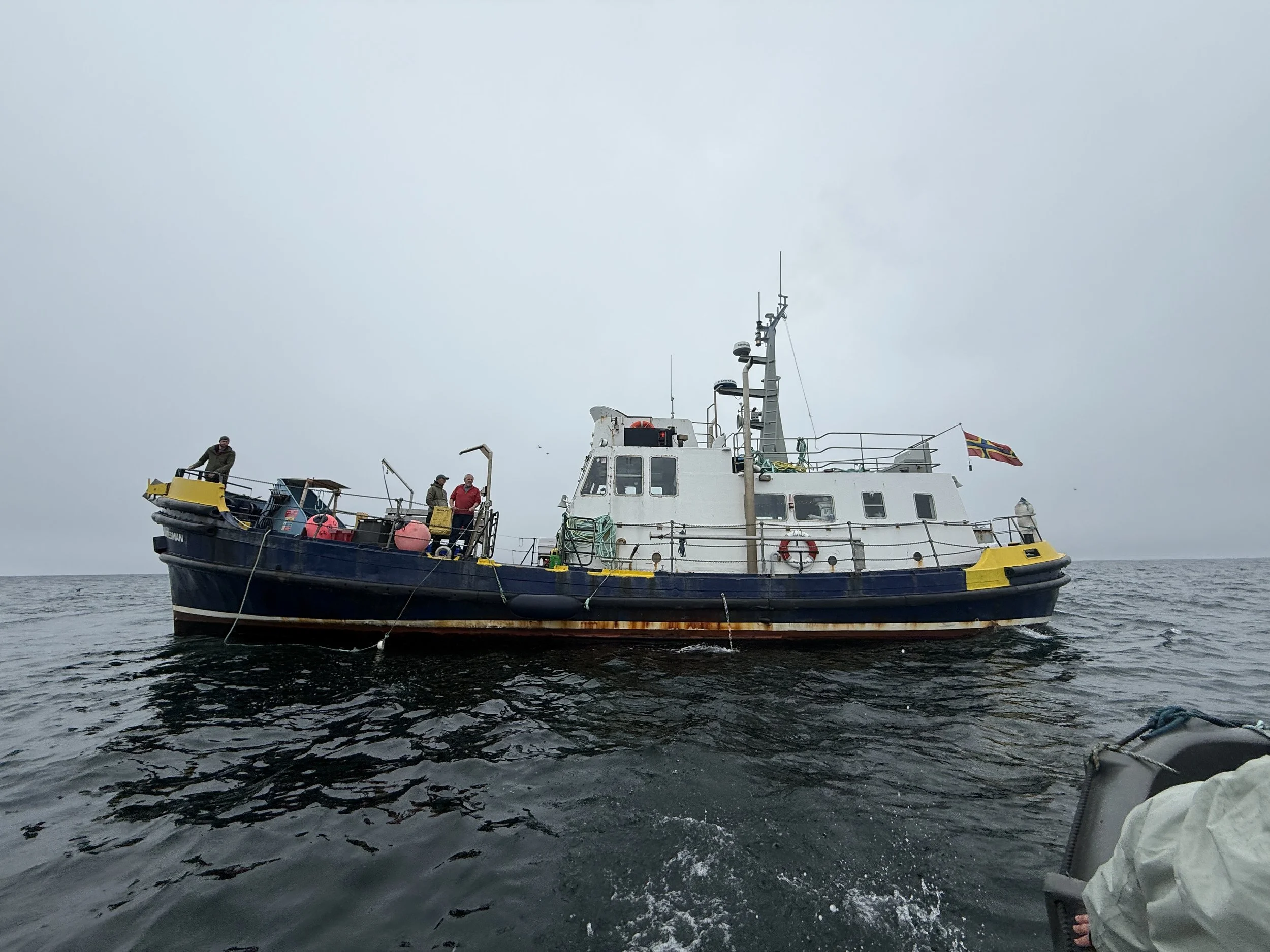
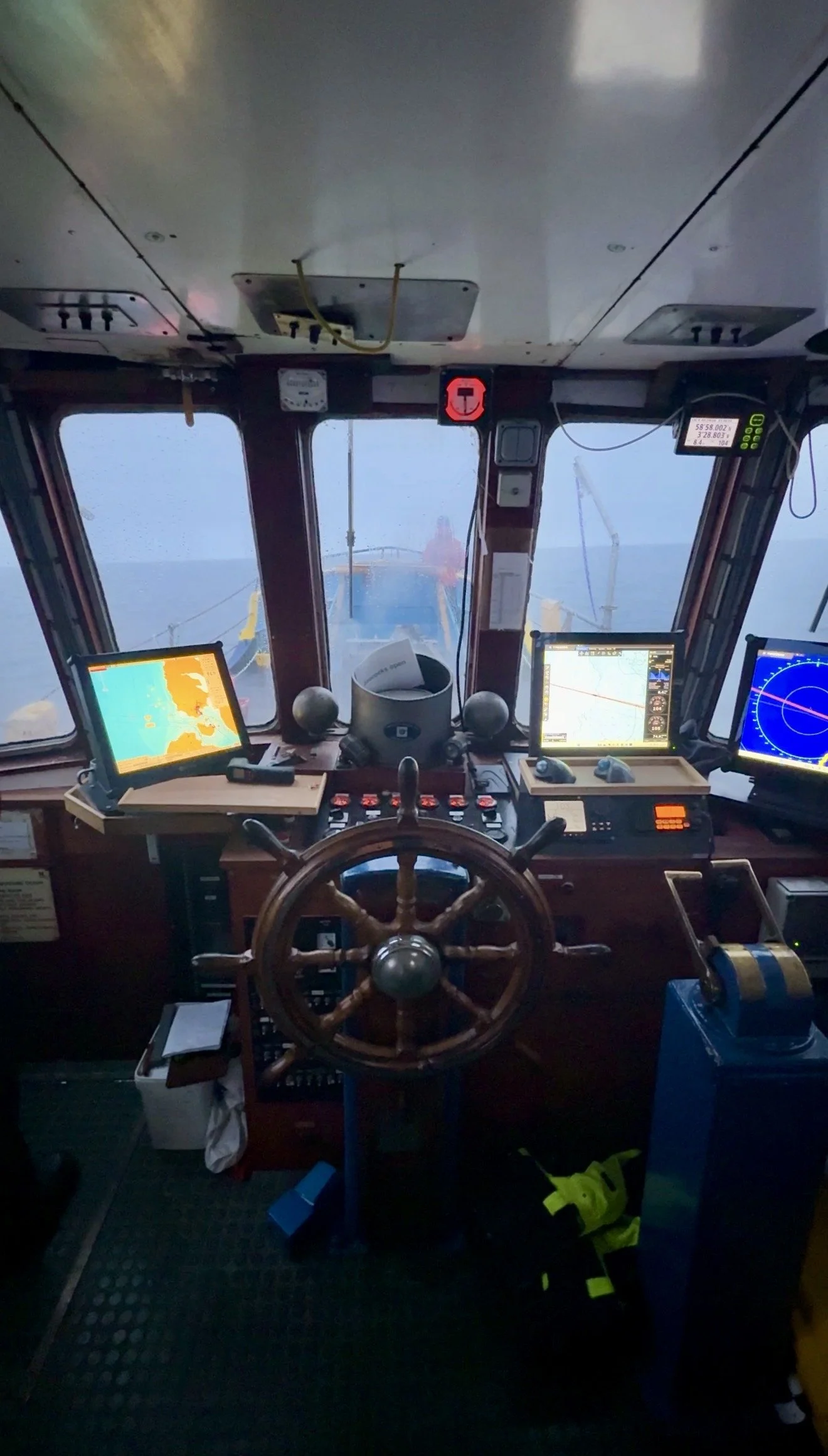
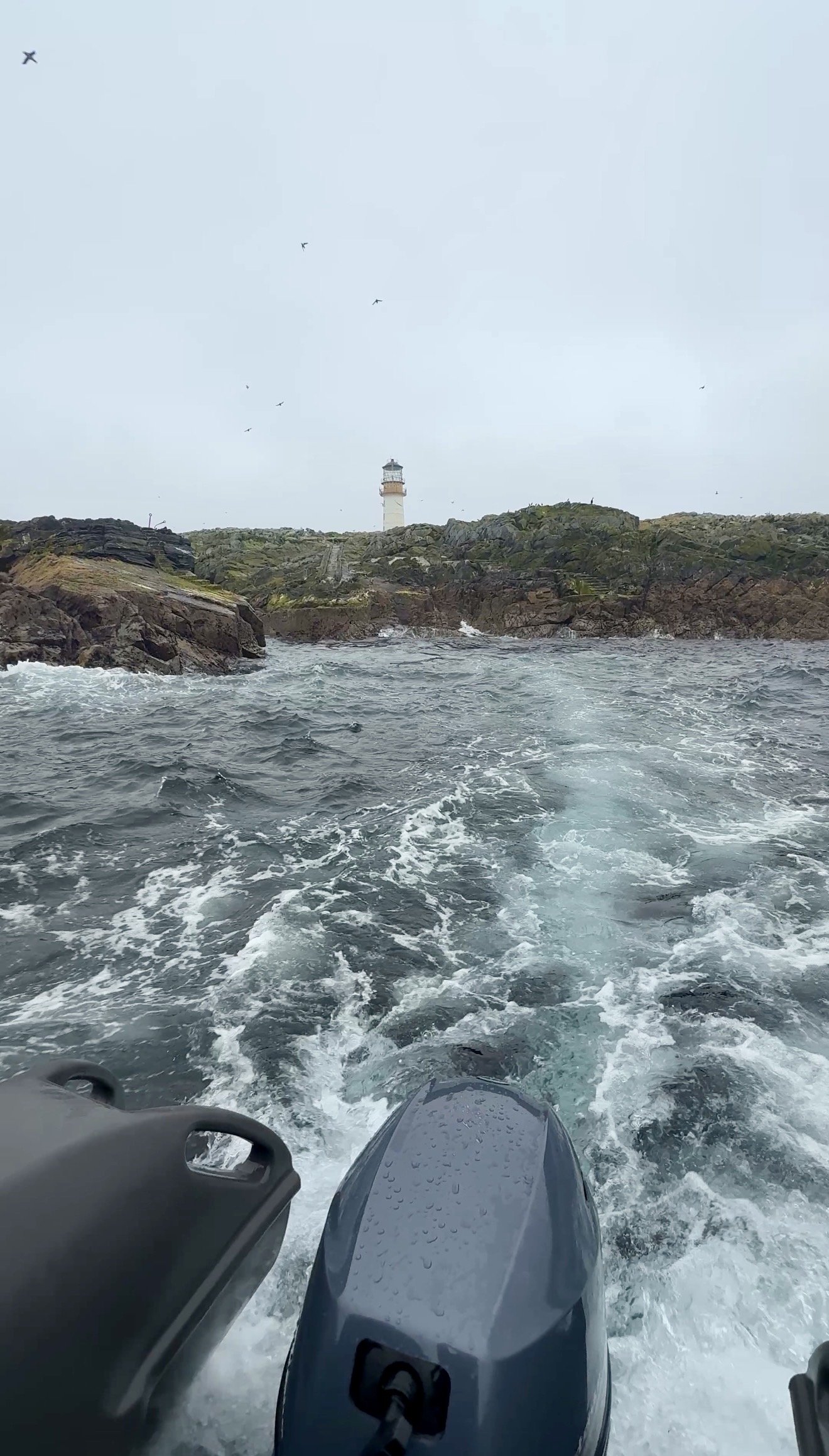
We headed out from Stromness, with the boat journey taking around four hours each way.
I'll admit I wasn't entirely built for eight hours bouncing around the North Atlantic. I got a little seasick at times and discovered that lying completely flat for a while seemed to reset everything. I'd recover, get back up and carry on until the sea decided it was time for another lie down.
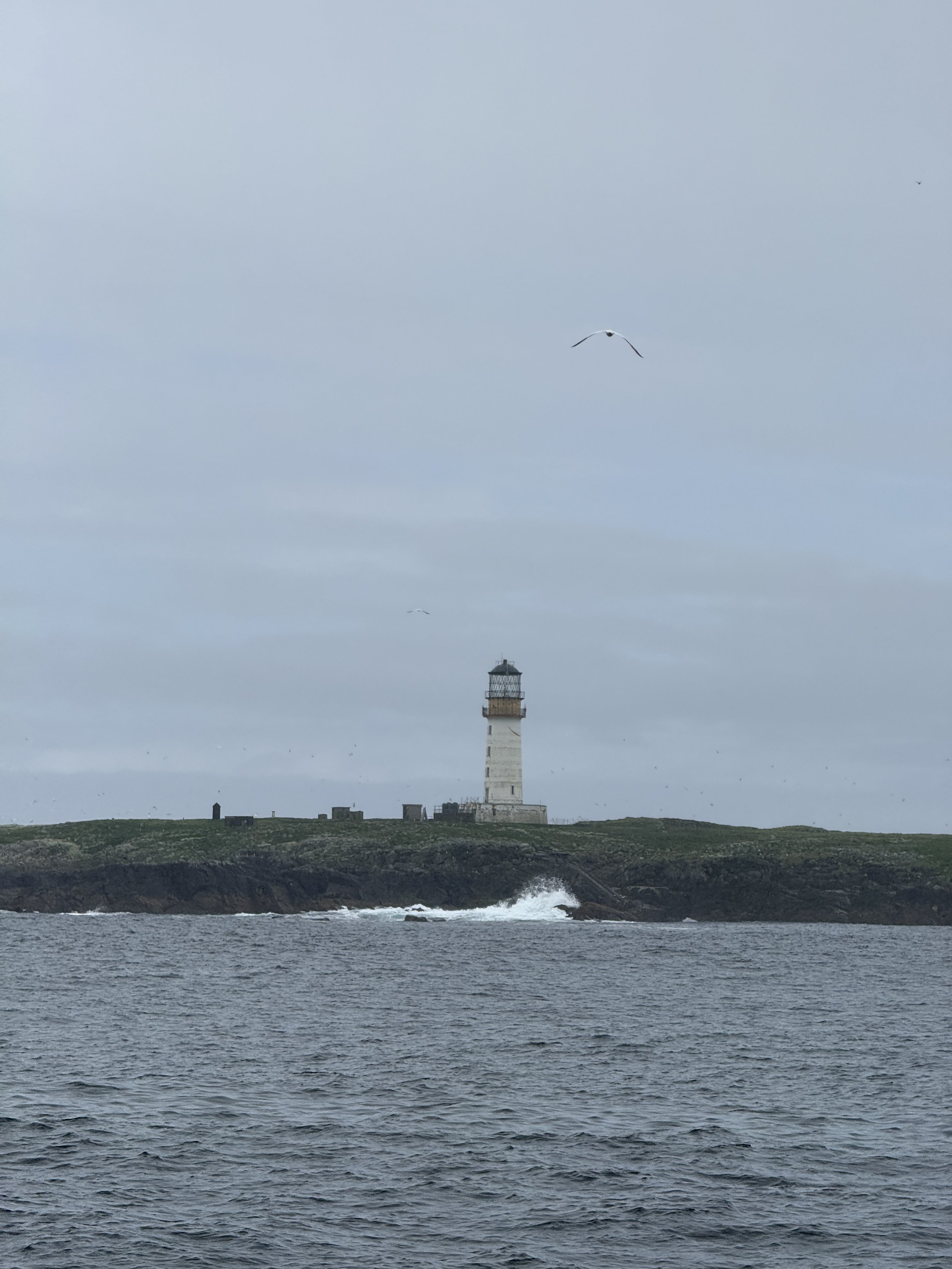
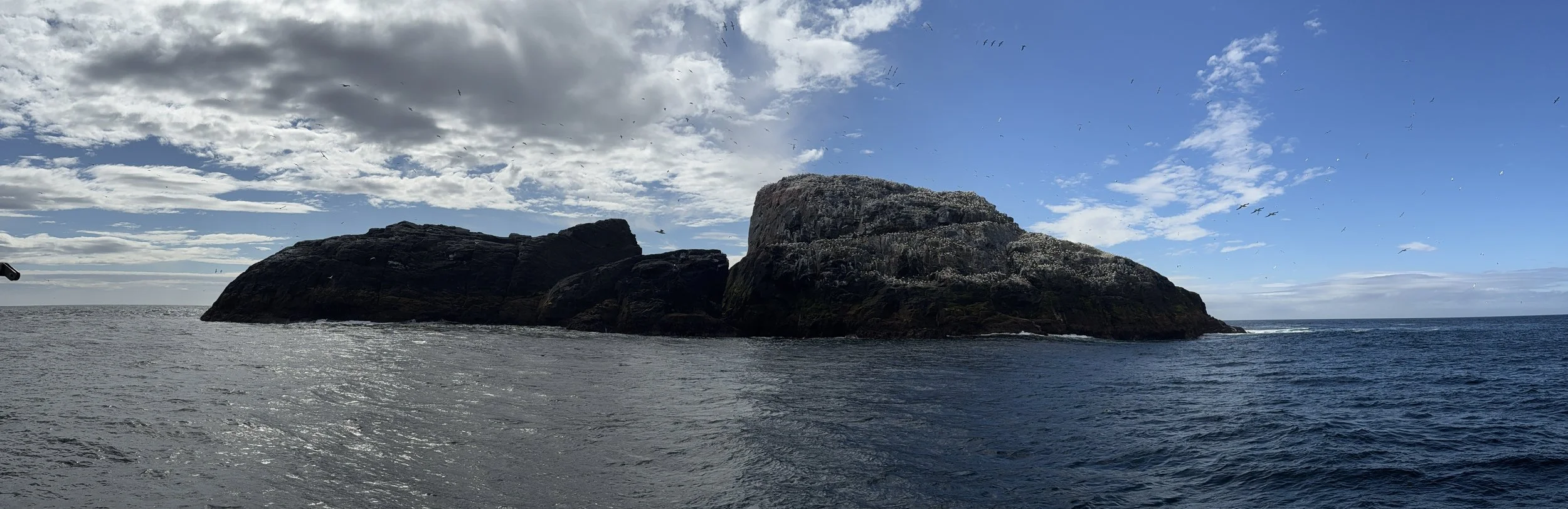
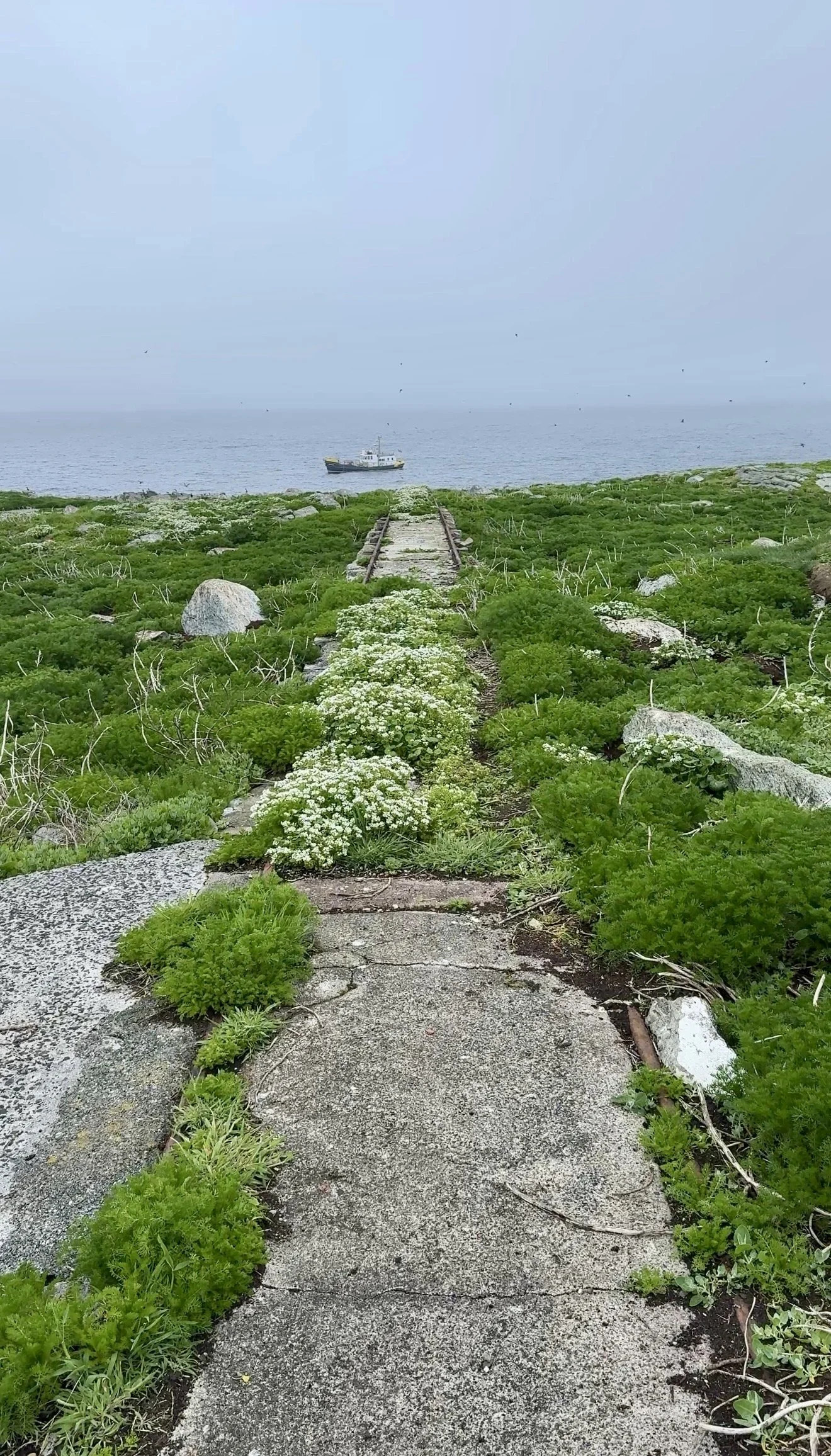
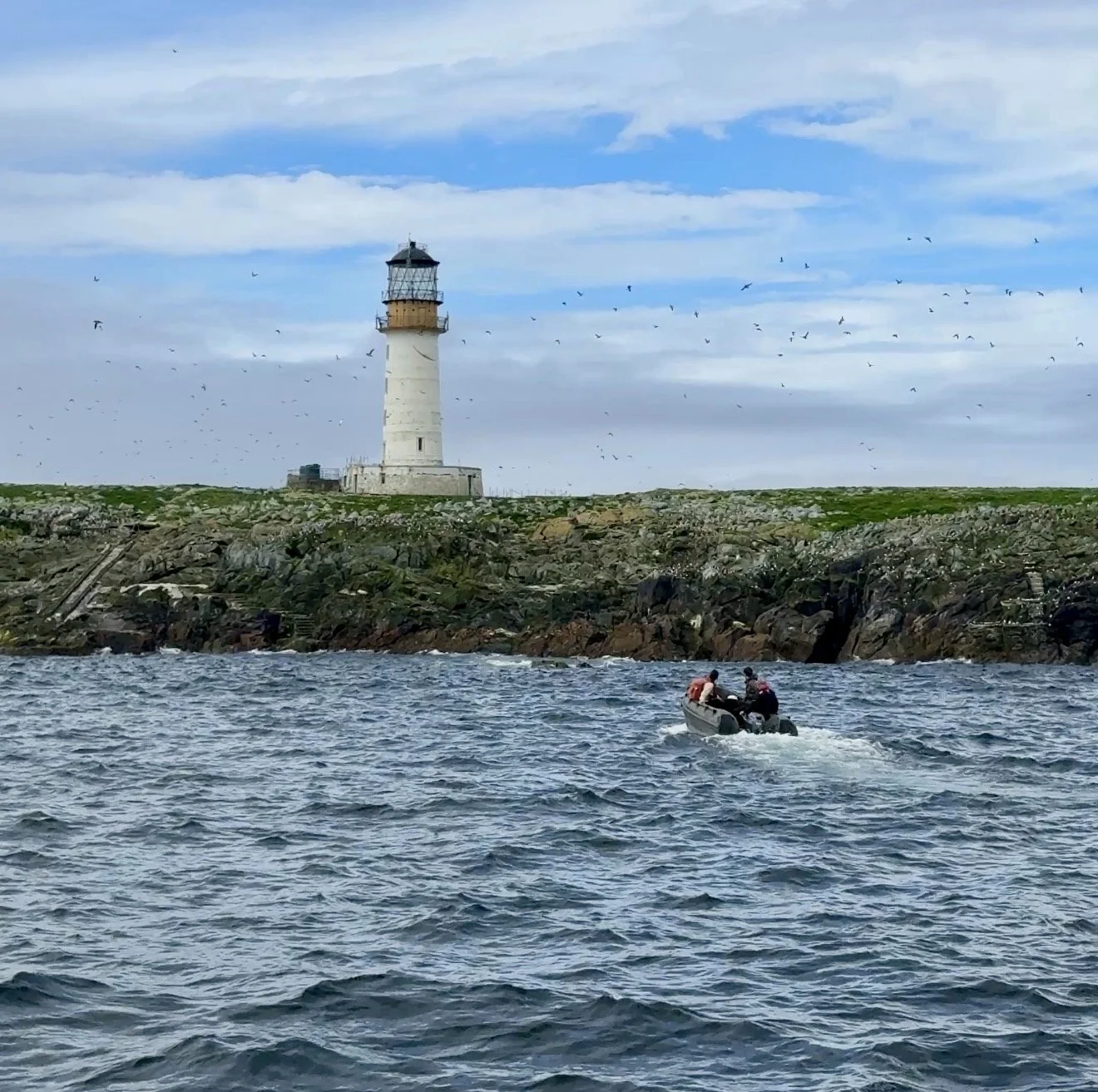
Sule Skerry is properly remote. It's a low, relatively flat island of only about 35 acres, sitting almost completely out of sight of land. Around four miles away is the much more dramatic Sule Stack, rising about 140 feet straight out of the Atlantic.
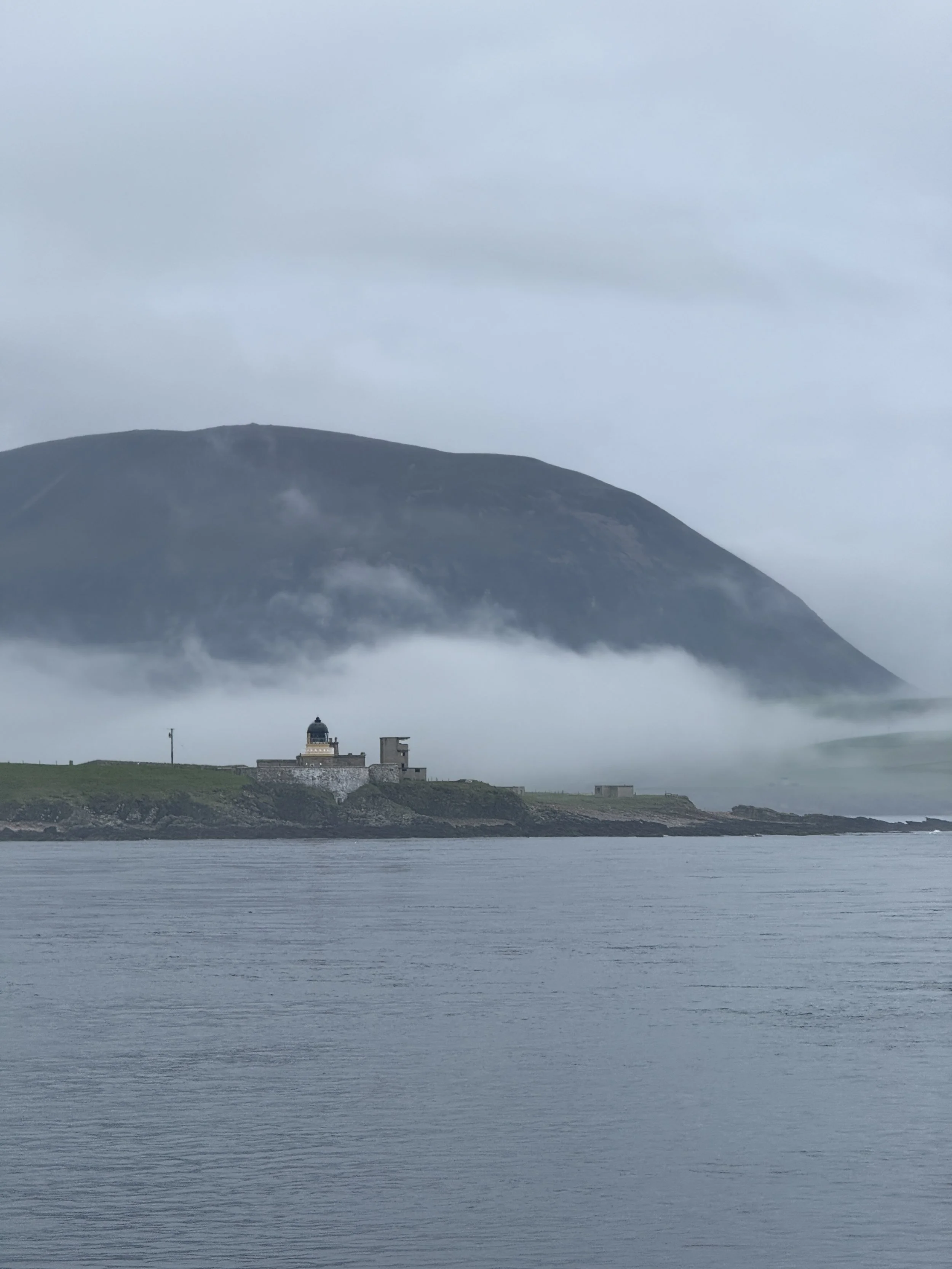
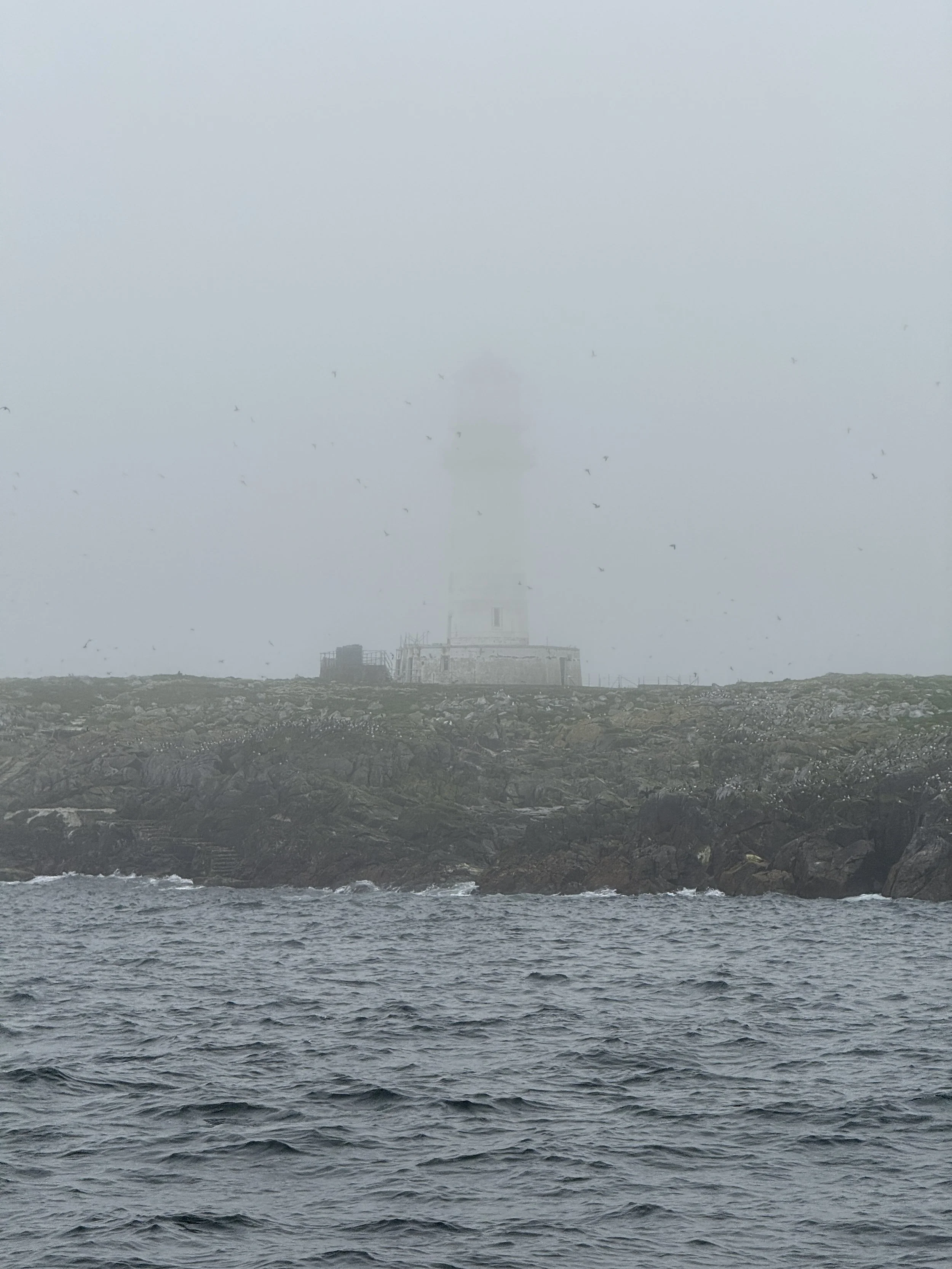
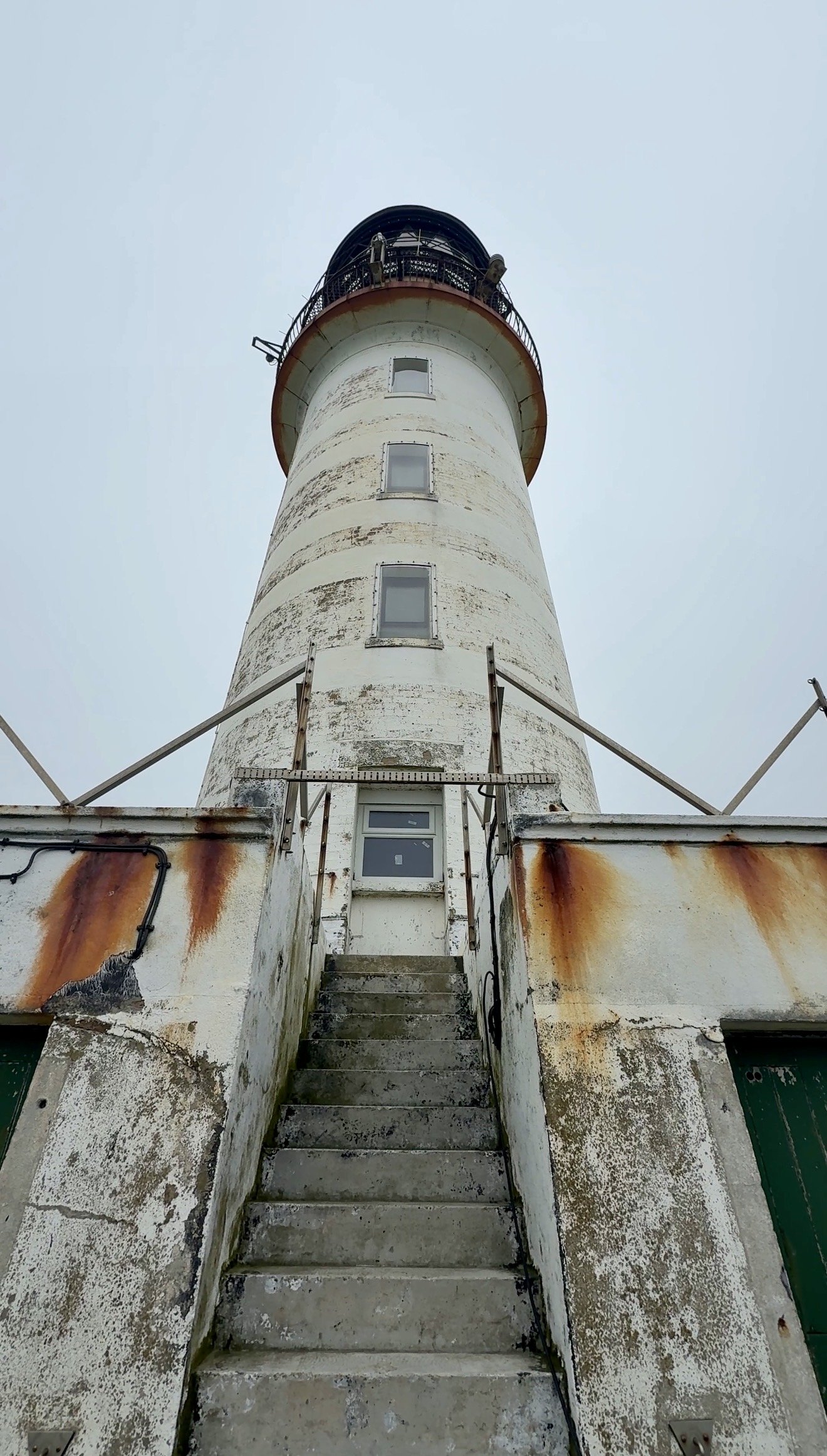
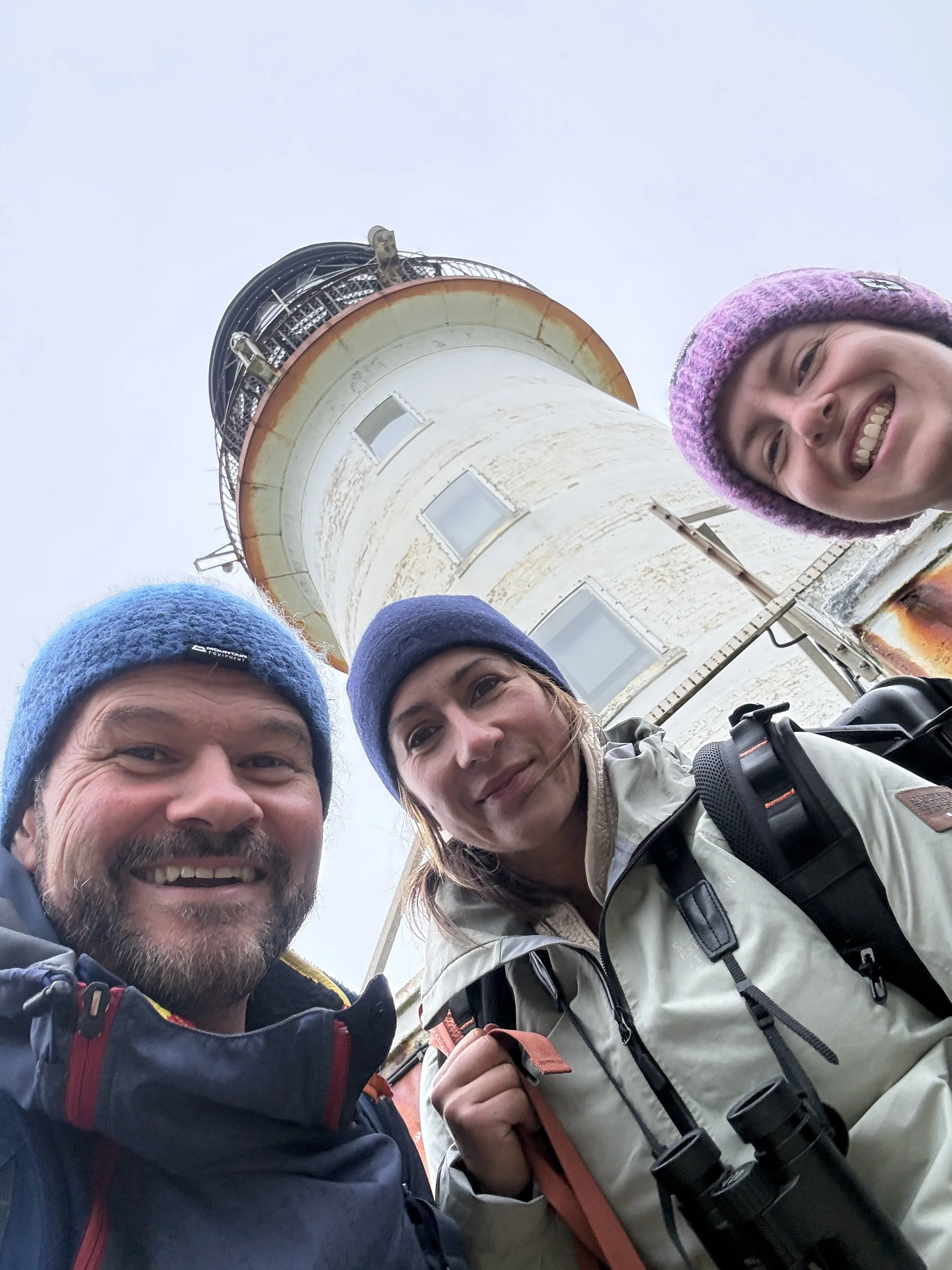
The lighthouse on Sule Skerry has quite a history of its own.
Built between 1892 and 1894 by David A. Stevenson and Charles Stevenson, members of Scotland's famous lighthouse building family, it was first lit in 1895. At 88 feet high, it needed an unusually powerful light because the island itself rises only around 45 feet above the sea.
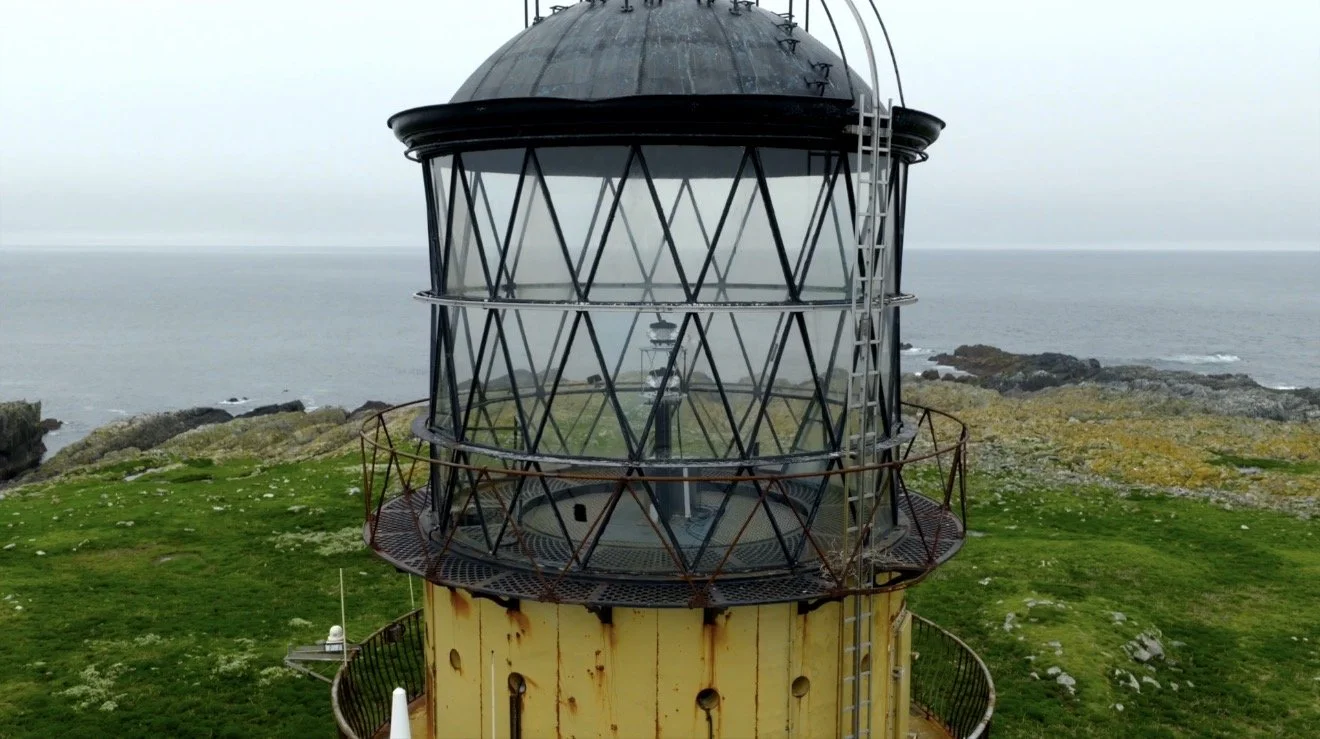
Its location was chosen to protect shipping on the northern route around Britain, and its sheer isolation meant that the lighthouse keepers' families couldn't live there with them.
It is still described as the most isolated lighthouse in the British Isles.
Standing out there surrounded by nothing but Atlantic, it's not difficult to understand why.
Flying from the Boat
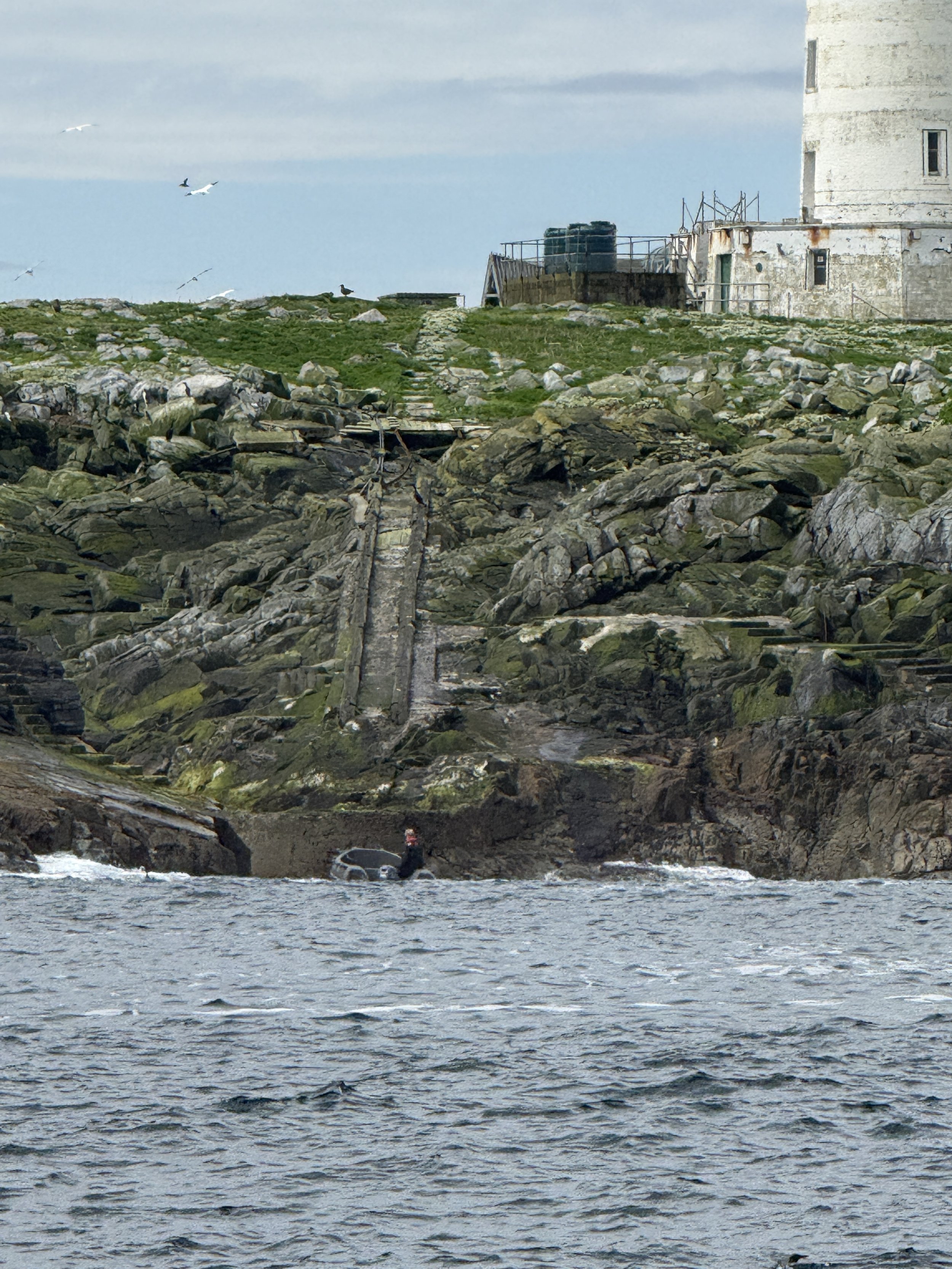
For the survey I was flying HiDef's DJI Matrice, and quite a bit of the operation involved taking off and landing from the boat.
That was one of the reasons I'd been brought onto the job. Their pilot was relatively newly qualified, and operating a large drone from a moving boat in rough water is one of those situations where having done it many times before makes a considerable difference.
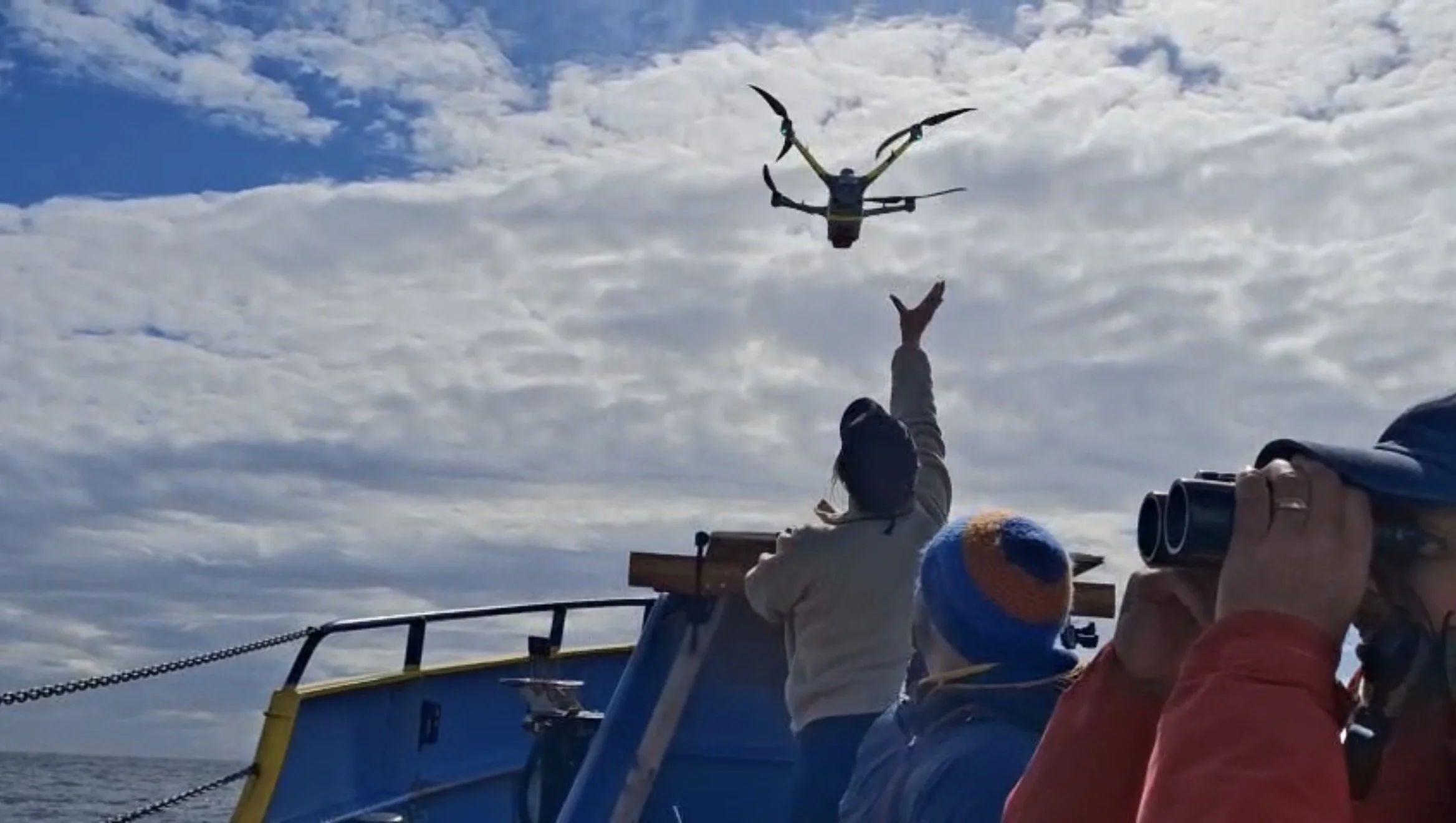
The Matrice is also a very different aircraft from some of the filming drones I'm more accustomed to flying. It's built primarily as a workhorse rather than a cinema drone and isn't quite as smooth and forgiving when you're manoeuvring it around a moving boat.
There's not much room for hesitation when the landing pad is simultaneously moving forwards, backwards, sideways, up and down.
There were also strict considerations around flying close to such enormous numbers of nesting birds.
We needed to fly high enough to minimise any disturbance and constantly watch what the birds were doing. Marijke had the particularly important job of keeping an eye on the colony while we were flying and looking for any indication that our presence was changing the birds' behaviour.
If there had been signs of disturbance, we would have changed what we were doing, whether that meant slowing the aircraft down, increasing our height or coming back in to land.
In practice, the birds seemed remarkably unconcerned by us.
Even the skuas left the drone alone, which isn't always something you can rely on with skuas. Perhaps with so many thousands of birds constantly moving through the air, one more flying object wasn't particularly interesting.
Either way, the priority throughout was that getting the survey data was never more important than avoiding unnecessary disturbance to the wildlife.
The weather added another little complication.
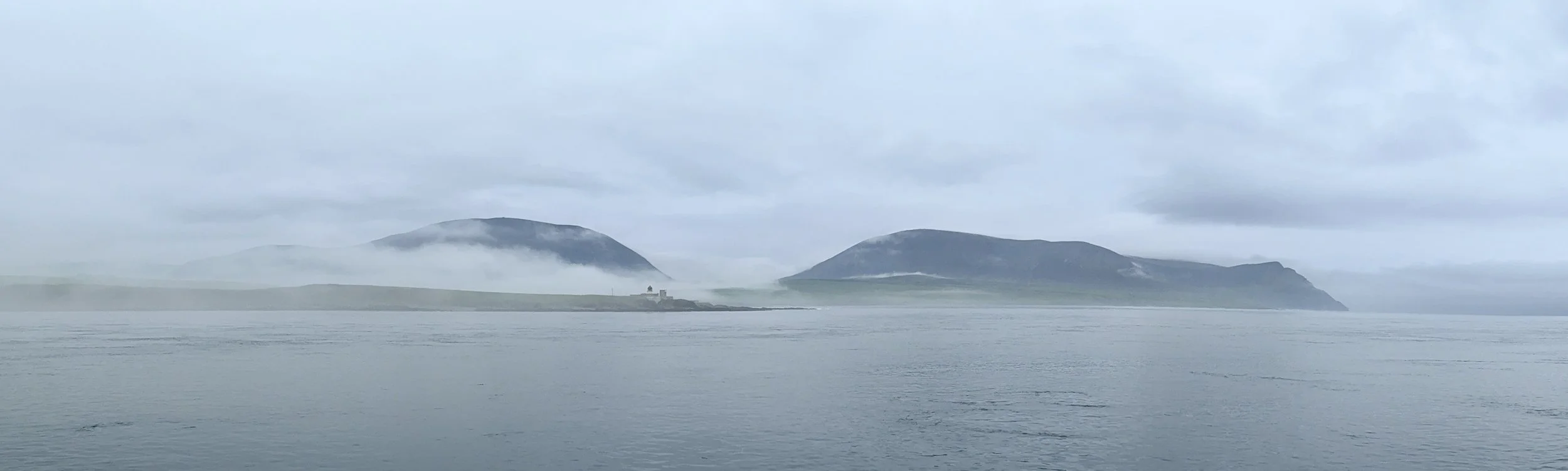
On our second day out we arrived at Sule Skerry to find the cloud sitting right down on the sea. It was basically fog, and for a while it looked as though we'd just spent four hours on a boat to look at a grey wall.
Thankfully, after about half an hour the cloud began to lift and suddenly the island appeared. Conditions cleared enough for us to fly and get on with the survey.
Why Count All These Birds?
Before this job I'd never really thought much about why anyone needs to count tens of thousands of seabirds in the first place.
It turns out those numbers tell scientists an enormous amount.
Seabirds spend much of their lives at sea but return to concentrated breeding colonies, making those colonies particularly useful places to monitor populations. Repeated surveys can show whether particular species are increasing or declining and whether colonies themselves are moving or changing.
Those changes can also provide clues about what's happening farther out at sea, including changes in food availability, climate, severe weather, disease and other environmental pressures.
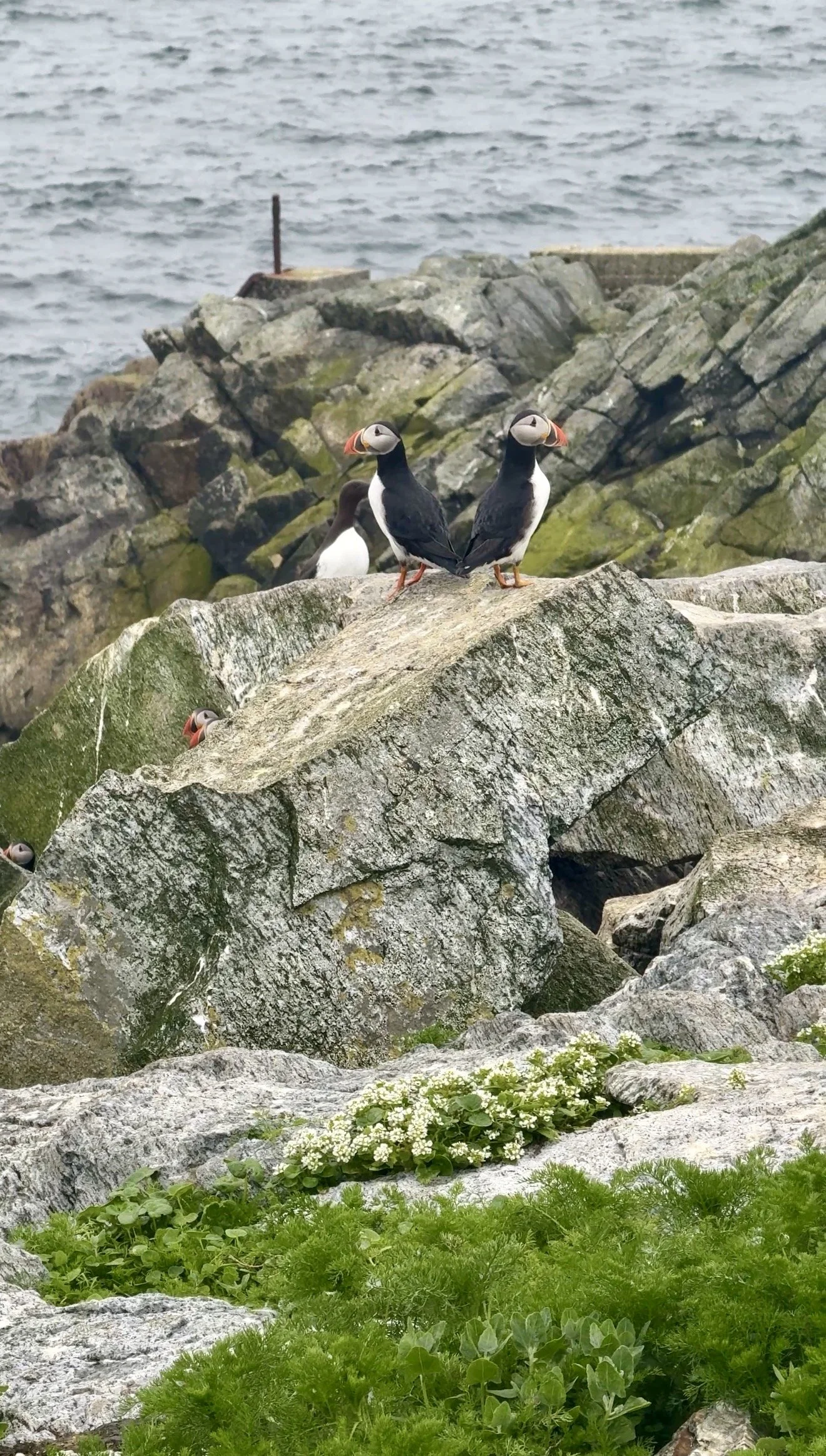
Puffins are particularly interesting because they depend heavily on plentiful small fish.
And Sule Skerry is an extraordinary place for them.
Historic surveys have recorded tens of thousands of breeding pairs of puffins, making it Orkney's largest puffin colony and one of Britain's important breeding sites.
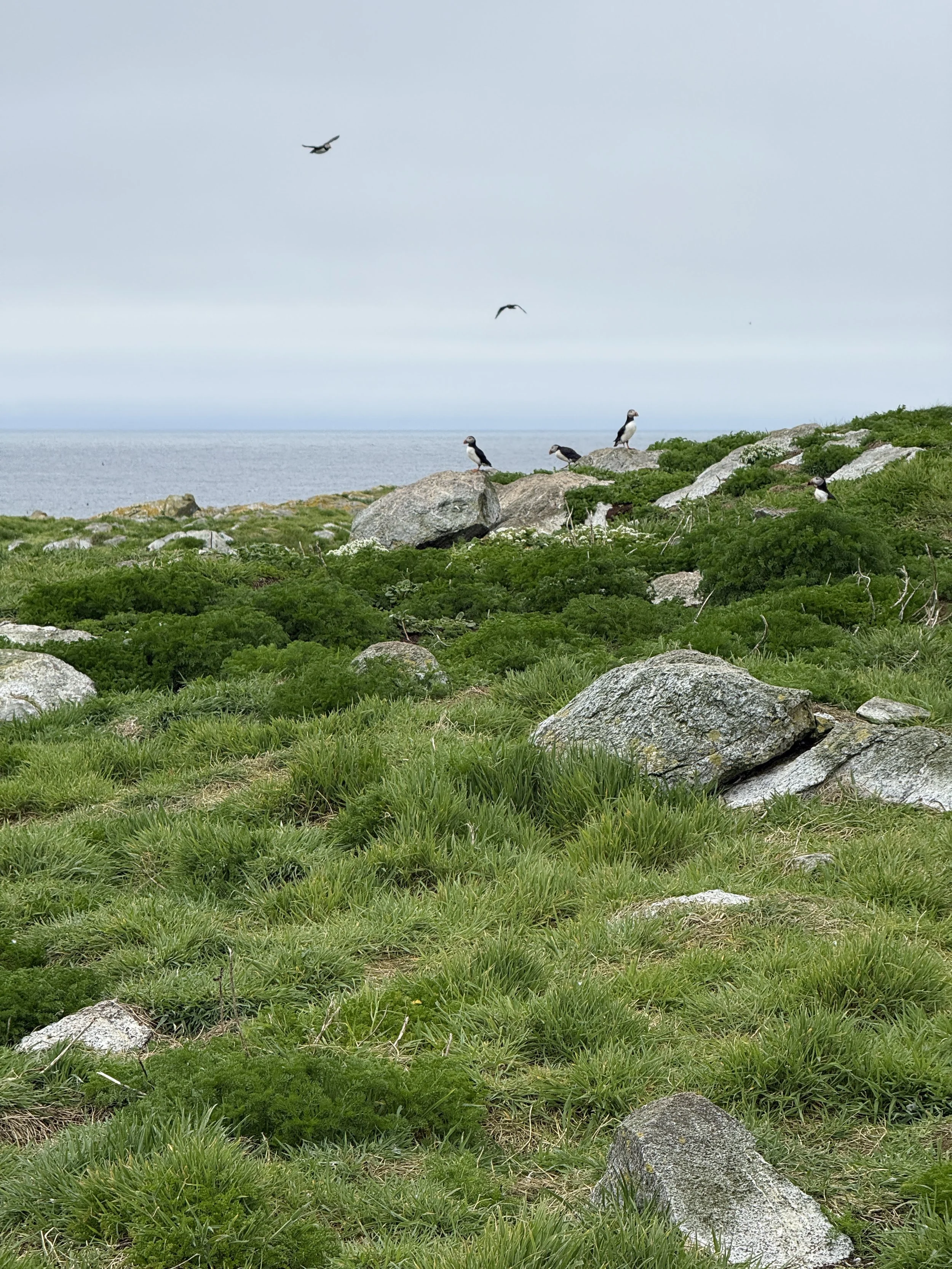
Atlantic puffins spend most of their lives at sea, returning to land to breed in spring and summer. Rather than building an exposed nest, they usually breed in burrows, often returning to the same colony year after year.
Seeing them at Sule Skerry was something else. At times there seemed to be puffins everywhere, with thousands of birds swirling around the lighthouse and island.
And Then There Are the Gannets
The gannets are a completely different proposition.
Northern gannets are Britain's largest seabirds, with wingspans approaching two metres. They're spectacular hunters, searching for fish from the air before folding their wings back and plunging into the sea at considerable speed.
The two islands have an interesting relationship when it comes to gannets.
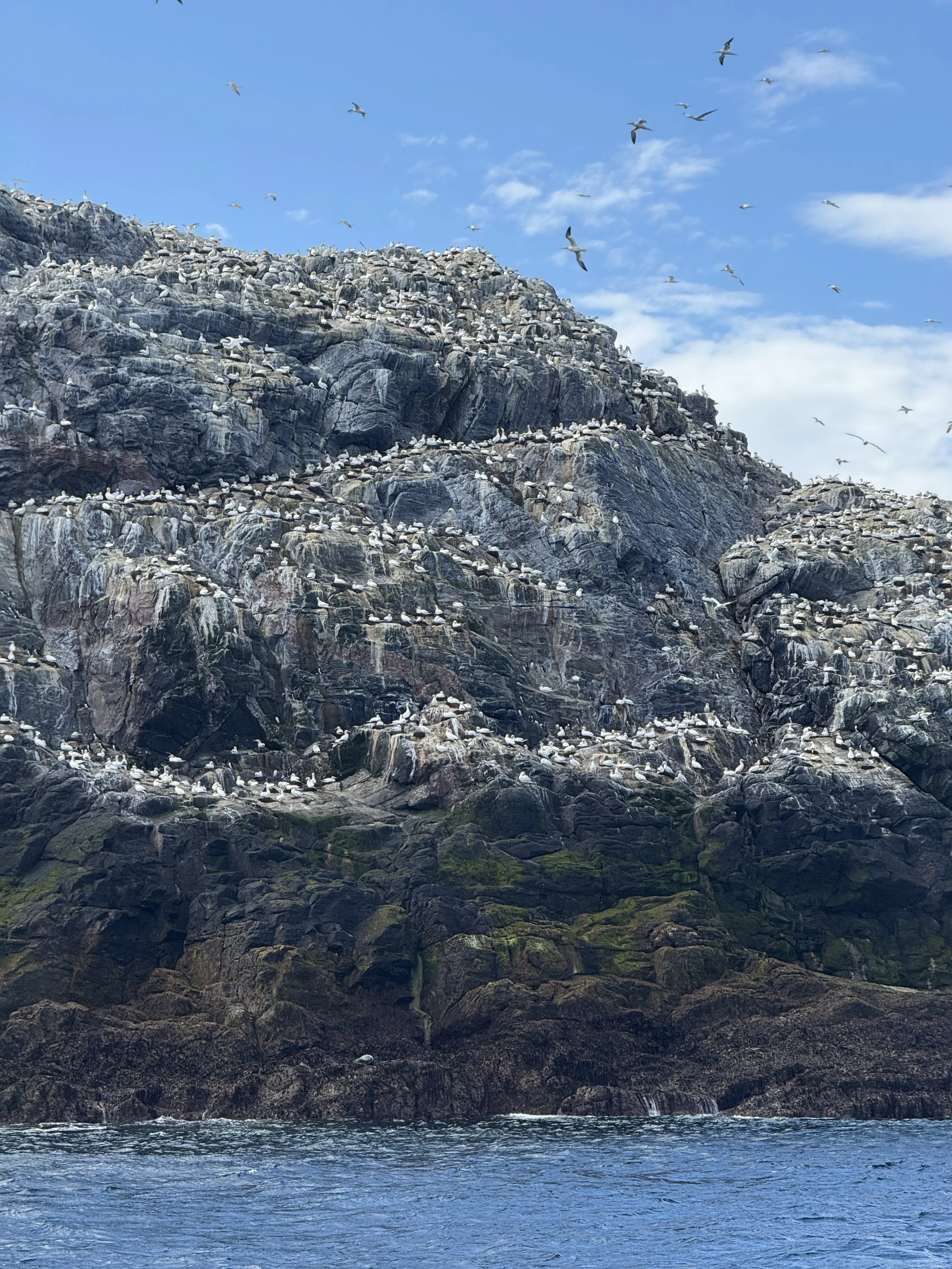
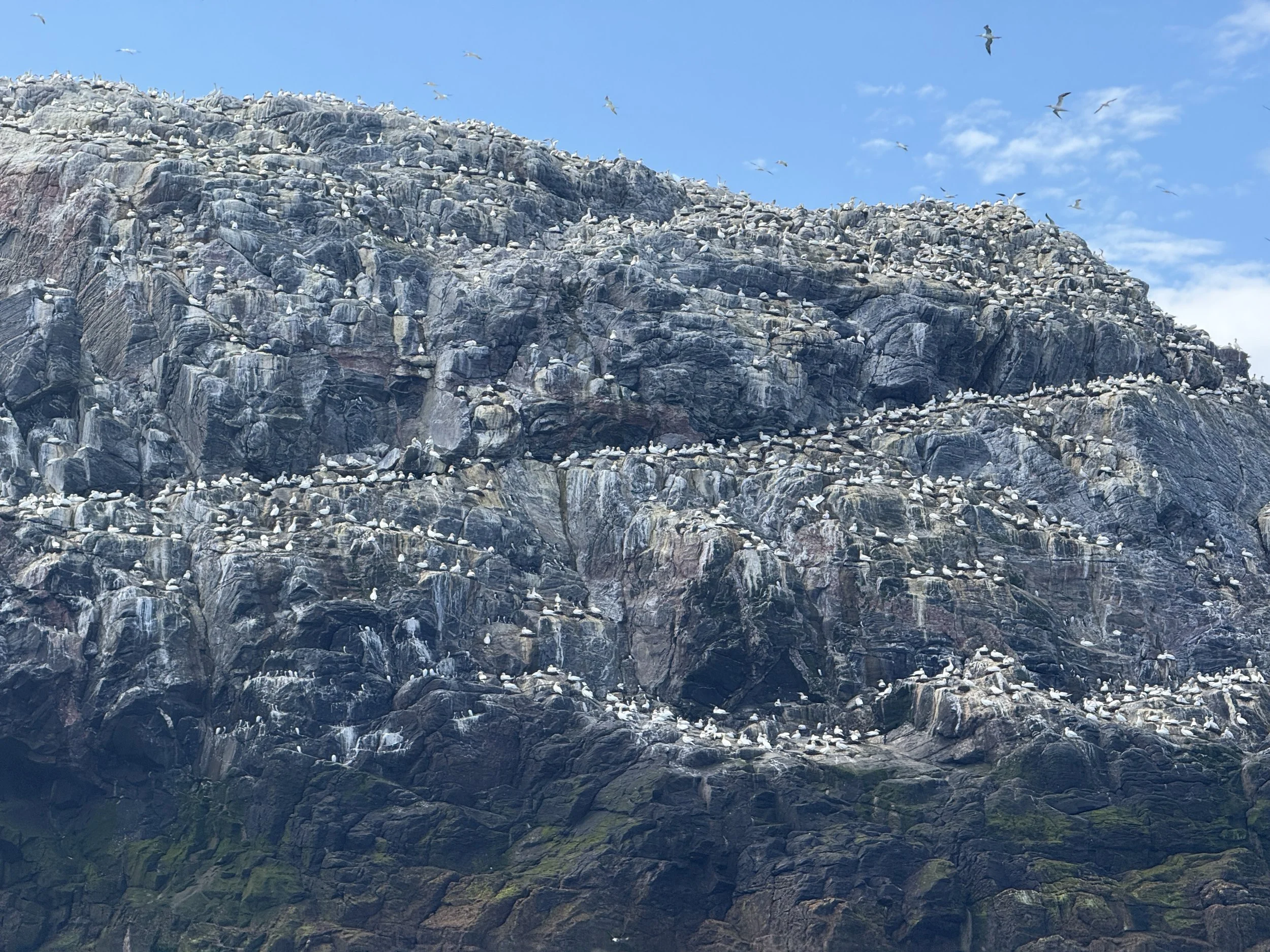
Sule Stack has supported a major gannet colony for generations, but remarkably gannets only started breeding on Sule Skerry in 2003.
Since then they've spread rapidly across the island.
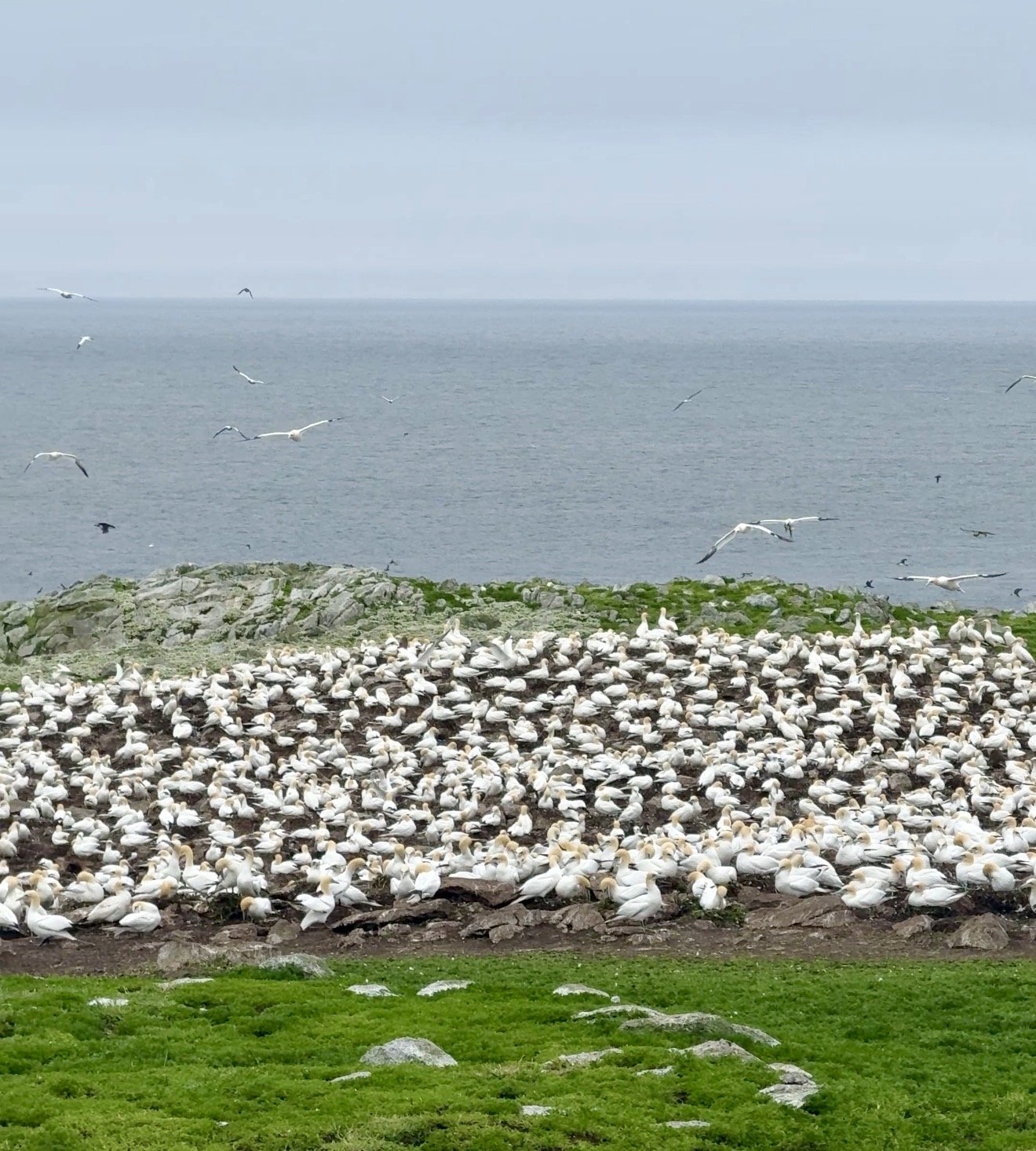
A NatureScot aerial survey in 2024 recorded approximately 3,470 apparently occupied gannet nest sites on Sule Skerry, compared with only around 60 in 2004. Sule Stack, meanwhile, had about 2,950 occupied sites in 2024, down from approximately 4,550 in 2013.
Some of the gannets establishing themselves on Sule Skerry are known from ringing studies to have originated on Sule Stack.
There is a slightly complicated side to their success. As the gannet colony has expanded across Sule Skerry, research has shown that they have displaced some puffins and guillemots from their traditional nesting areas.
So even somewhere that looks completely wild and untouched, the wildlife populations are constantly changing.
Bird Flu and a Changing Colony
There was another reason why getting accurate numbers matters.
Britain's seabird colonies were hit by a major outbreak of highly pathogenic avian influenza, or bird flu, in 2022, with gannets among the species badly affected.
Recent research suggests the outbreak probably contributed to the decline in gannet numbers on Sule Stack.
Interestingly, the picture isn't the same just a few miles away. While Sule Stack's gannet population has fallen substantially, the colony on Sule Skerry has continued to expand.
That's exactly why surveys like this matter. Without periodically photographing and counting the colonies, there would be no reliable way of knowing whether there were 500 birds, 5,000 birds, whether a population had collapsed or whether it had simply shifted somewhere else.
A Very Small World
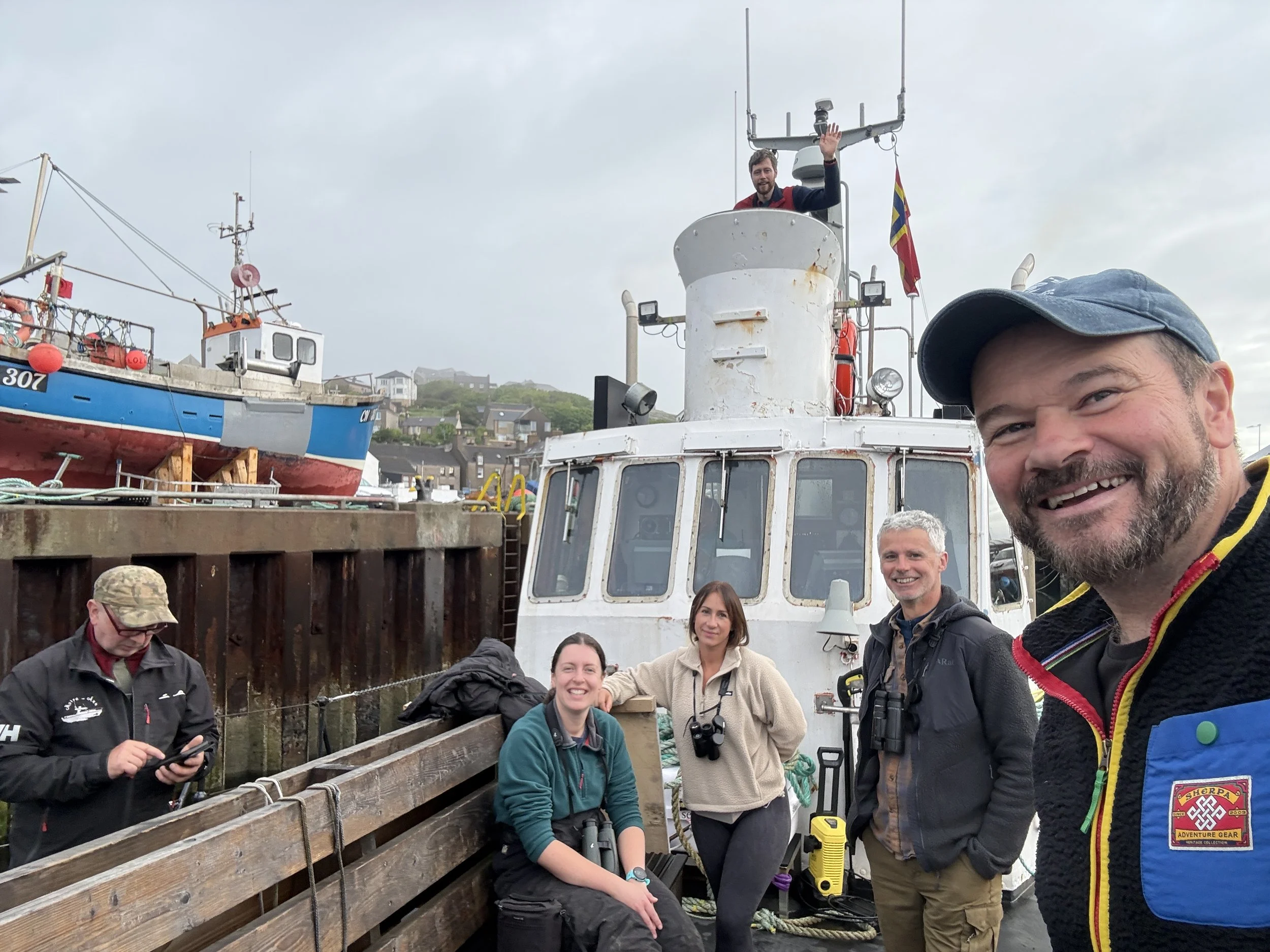
I was working mainly with Ruth, who was running things, along with Ewan, Marijke, Will and Alice, and we had a great group for what were some very long days at sea.
There were also a couple of those wonderfully random small world moments.
Our skipper was Ross, whose stepfather turned out to be Ant Tuson, a retired Antarctic pilot I'd flown with many times during my years working in Antarctica. Ant happened to be there as well and came out with us.
And then it turned out I'd met Ewan, one of the bird counters, before as well, at Rothera Research Station in Antarctica.
Apparently travelling four hours into the North Atlantic to one of the most isolated islands in Britain still isn't quite far enough to stop me bumping into people I know from Antarctica.
Something Completely Different
This was definitely one of the more unusual drone jobs I've done.
There wasn't much opportunity for creative flying. Nobody was asking for a beautiful reveal of the lighthouse or the perfect cinematic orbit. The objective was much more scientific: fly accurately, photograph everything, bring the data home and turn it into something useful.
But that's also exactly why I enjoyed it.
The lighthouse was incredible, the wildlife was extraordinary and Sule Skerry is simply somewhere that very few people ever get the opportunity to experience.
Most of us would have absolutely no reason to spend four hours travelling out into the North Atlantic to a tiny lump of rock covered in tens of thousands of seabirds.
Which, for me, was precisely the reason to go.