December 2025 — Trek for a Cure: Camera Operator on Charlie Quirke’s Alzheimer’s Research UK Trek
When Vicci Moyles, who manages media for major charity campaigns and fundraising events, asked if I could come down to film a trek for Alzheimer’s Research UK, I didn’t yet know what the story would be. Vicci and I had worked together before on Comic Relief, Children in Need and Soccer Aid, and the arrangement was familiar. She’d brief me in the morning, then trust me to film, organise footage, and turn around edits fast enough for television news and social media the very same day.
Only later did it become clear just how personal this one was.
Charlie Quirke, son of Pauline Quirke, television royalty to millions, was walking roughly 140 kilometres over five days. Pauline is living with Alzheimer’s, and Charlie’s route would take him through places connected to her life, his childhood, and their shared memories. Alzheimer’s slowly takes memories away, so walking back through those physical places carried a quiet symbolism. It was memory mapped onto streets, revisiting moments before they fade.
I joined a mix of new and familiar faces. The Alzheimer’s Research UK team were excellent to work with, alongside experienced trek organisers including Lou, who was overseeing the route, and Dave, better known as “Rolly,” who handled navigation and walked the full distance with Charlie. Vicci coordinated the wider media effort, lining up interviews, news crews, and live broadcasts as we moved through the city and beyond.
I worked closely with filmmaker Matt Wellham, who built the daily overview films from my footage, while Gabriella Old handled publishing and pushing updates across social platforms. My role was to capture the story as it unfolded and produce rapid rough edits throughout the day so broadcasters could use them almost immediately.
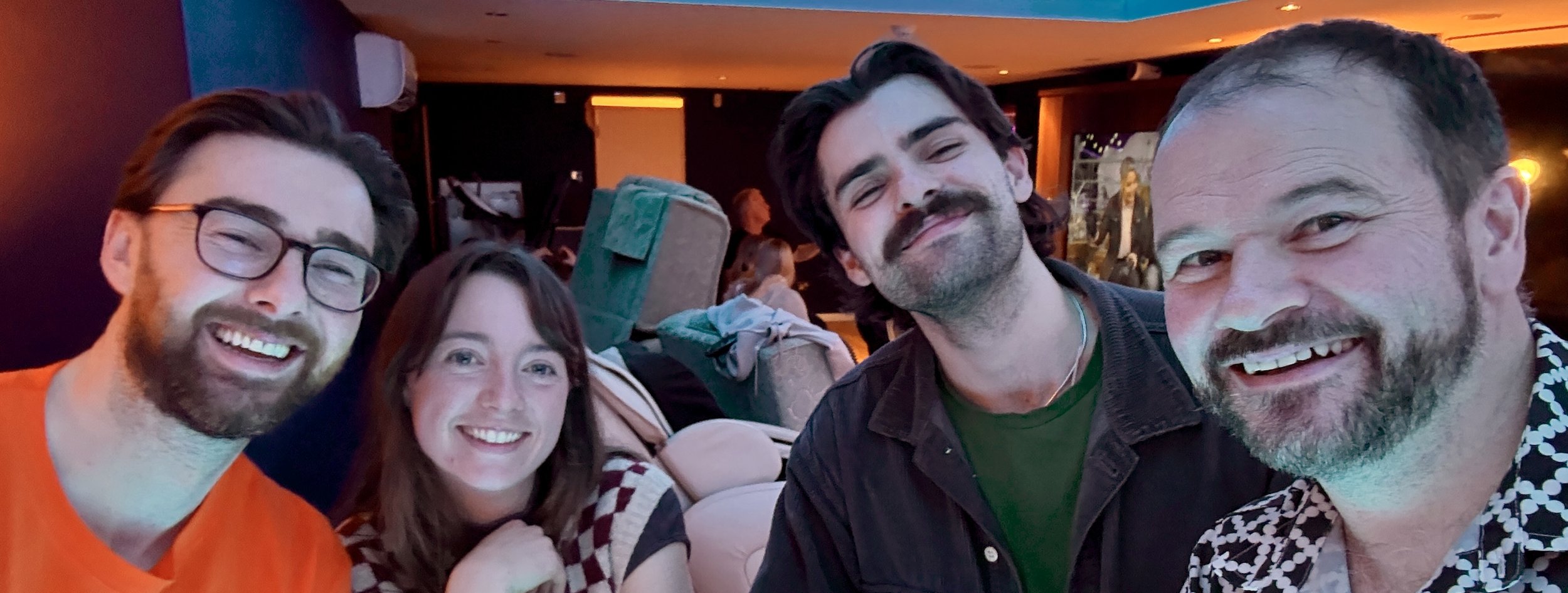
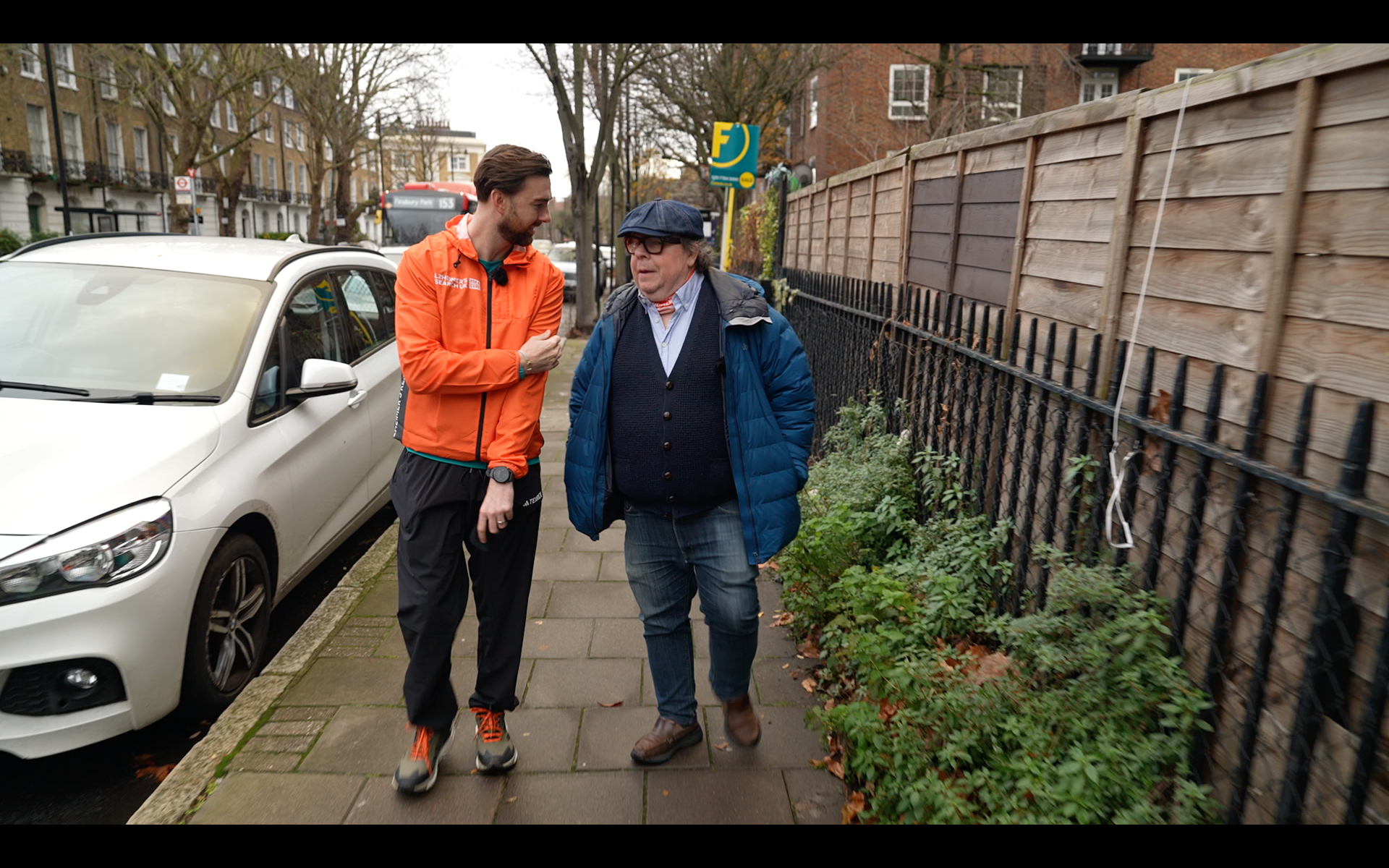
The routine was constant motion. I’d walk alongside Charlie with my gimbal filming conversations, interviews, and moments as they happened. My drone often sat in my pocket most of the day, London airspace not exactly ideal for spontaneous flying, but on occasional sections outside the centre I was able to get it up briefly and capture a wider perspective of the journey. When Charlie moved through quieter stretches, I’d jump into the van, open the laptop, and start cutting immediately. Export, upload, close the laptop, back out filming again. Repeat. Sometimes editing four or five separate times before lunchtime. Step counts regularly passed 30,000 a day, moving constantly between filming and editing wherever there was signal and somewhere flat enough to balance a laptop.
Camera up. Camera down. Laptop open. Laptop closed. Camera up again.
Charlie himself was a very good crack, easygoing, funny, and completely sound with everyone around him. He treated the crew as part of the team, never just the people pointing cameras at him. He was always on time, always ready, and quietly determined without ever making a show of it, which made the whole week run far more smoothly than most treks of this scale.
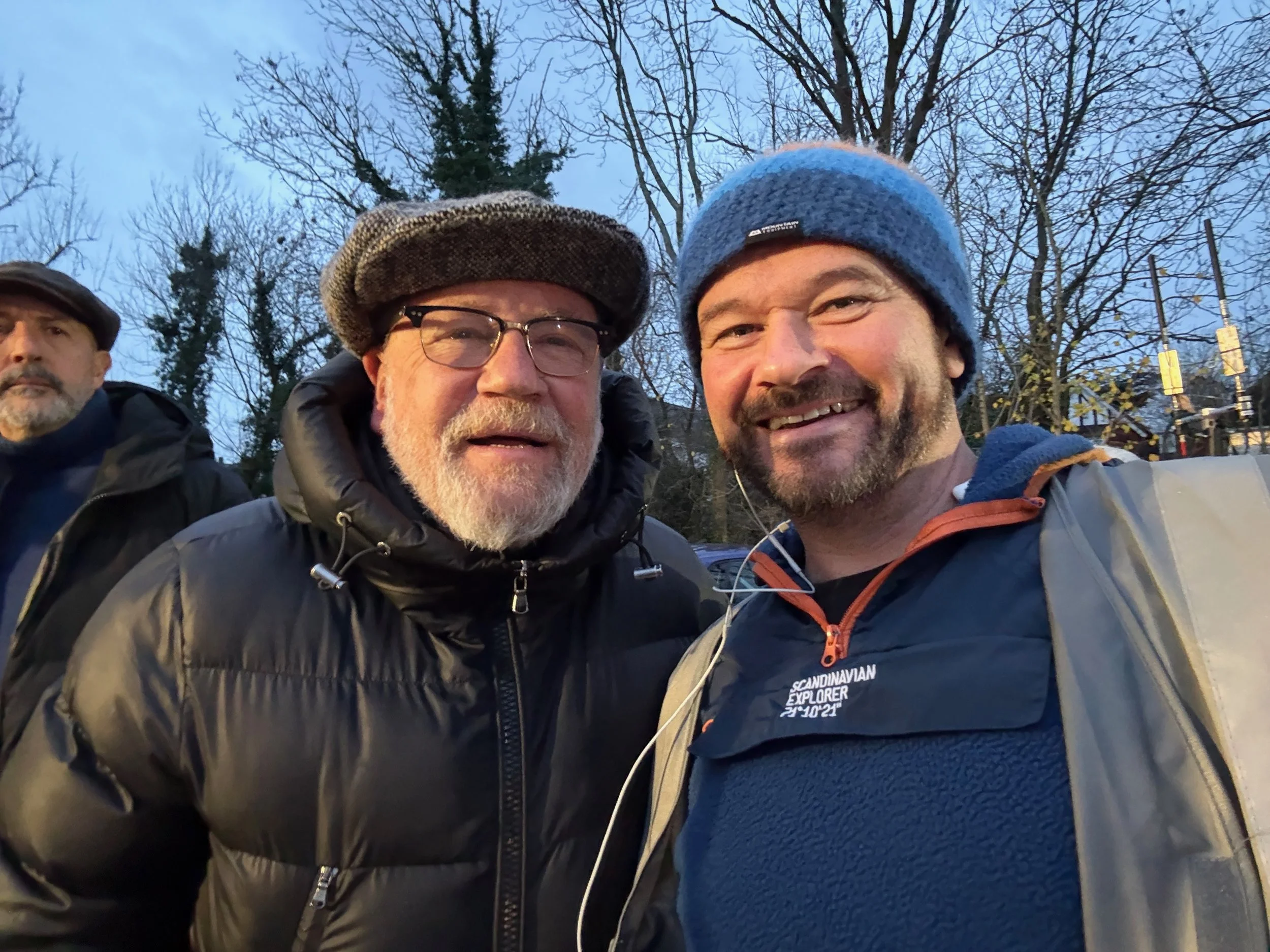
At the start line, Ray Winstone was there alongside Linda Robson. The three of them had known each other since childhood, growing up together long before television fame entered the picture. There was no ceremony to it, just hugs, encouragement, and the sort of easy conversation that only comes from decades of friendship.
What stood out most throughout the week was the people. Friends, family, actors, presenters, and supporters joined along the way, many sharing personal experiences of Alzheimer’s and dementia. Some moments were emotional and quiet. Others were filled with laughter, storytelling, and relentless London banter that carried everyone forward.
What became clear very quickly was just how deeply respected and loved Pauline is. Messages arrived constantly from people who couldn’t be there in person. Actors, presenters, footballers, and friends from across the industry sent videos and words of support. Olivia Colman was among those sending messages. Others who had worked with Pauline decades earlier still spoke about her with enormous affection.
And every story about her sounded the same.
Despite being genuine television royalty, she has always remained completely grounded, proudly working-class, and without ego. Her priority has always been her family. Many people spoke about how much she loved being a mum, and how difficult it was for her to be away from her children while filming. Several actors described how she naturally stepped into a caring role on set, looking after younger cast members as if they were her own. Patient, kind, funny, and completely real.
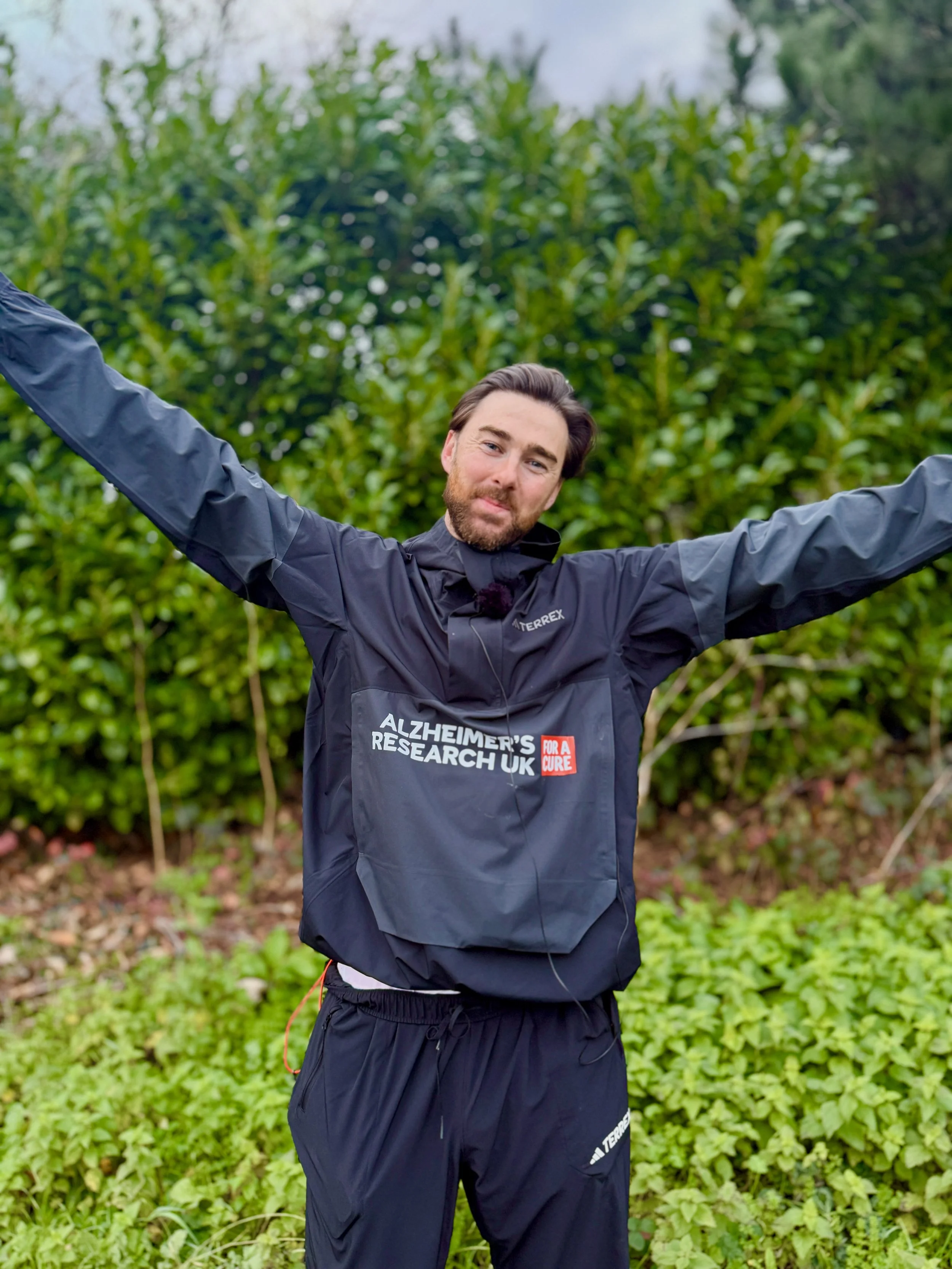
You could feel that affection everywhere along the route, and that same warmth and grounded personality clearly lives on in Charlie too.
The London streets added their own character. People shouted encouragement from shop doors, drivers slowed to ask what was happening, strangers walked alongside for a while before heading back to their day. Nothing about it felt staged. It felt human.
Filming projects like this is very different from commercial productions. There’s no reset button, no second takes. You film what happens, as it happens, often exporting footage while the story is still unfolding around you. The biggest stress most evenings wasn’t filming, it was finding Wi-Fi strong enough to upload the footage before deadlines. Sitting in hotel corners watching progress bars crawl slowly across the screen became part of the nightly routine.
It was hard work, and a lot of miles on foot, but unusually, it was also well-paced. Charlie kept everything running on time, which meant the crew actually managed to get proper sleep most nights, a rare luxury on fast-turnaround productions.
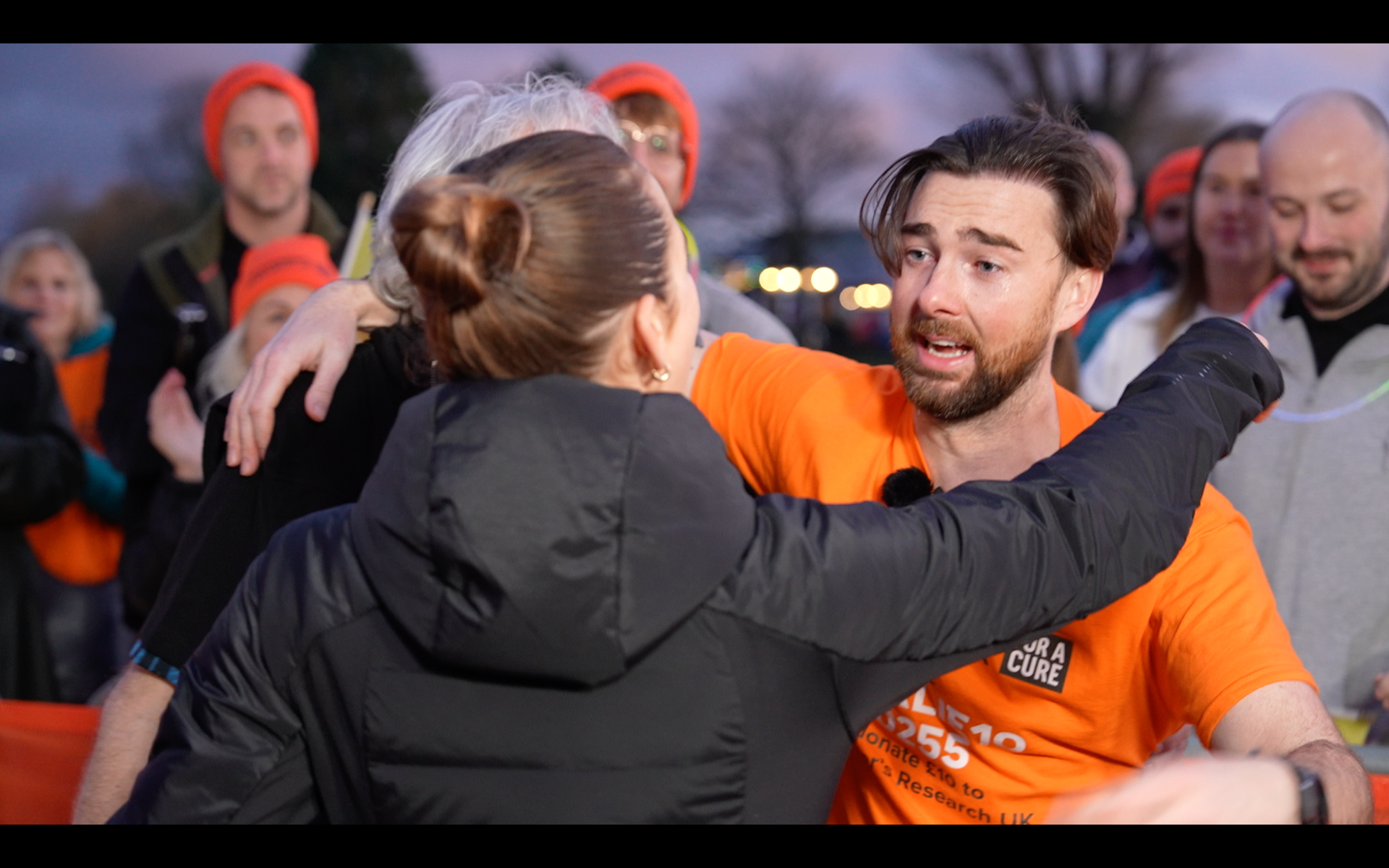
By the time Charlie crossed the finish line, £176,031 had been raised for Alzheimer’s Research UK. Within a week, that had climbed to £263,657, an extraordinary total and a reflection of how many people connected with what he was doing.
Alzheimer’s is a cruel disease. It affects not just the person living with it, but everyone around them. Families, partners, children, and friends. Filming the trek meant hearing those stories firsthand.
But alongside that seriousness was humour, resilience, and community. Five days of walking, filming, editing, and meeting people from every corner of Charlie’s life. Hard work, good people, and a story worth telling.
If you would like to support Alzheimer’s Research UK and help fund the search for a cure, you can donate here:
https://www.alzheimersresearchuk.org/donate/