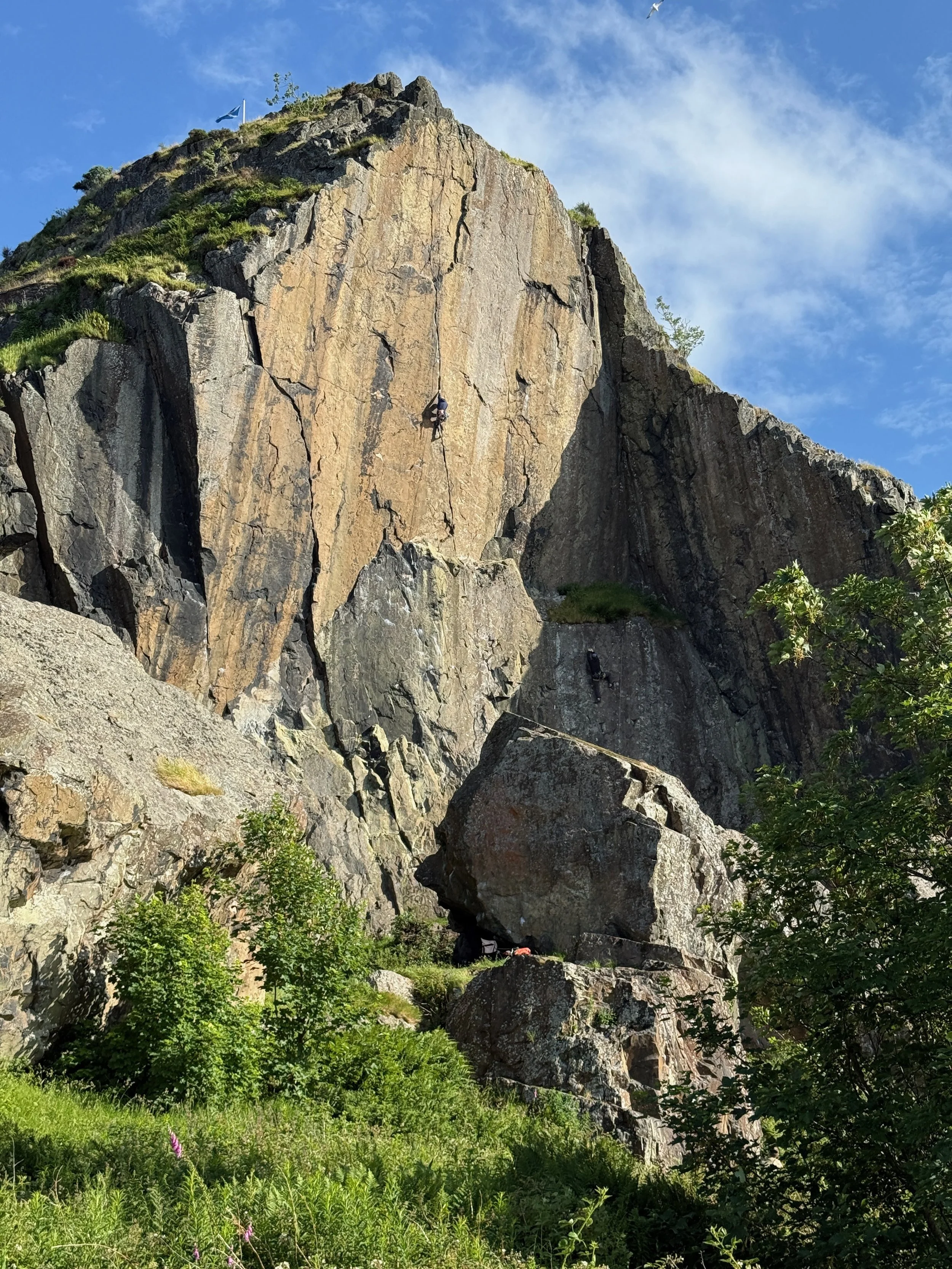
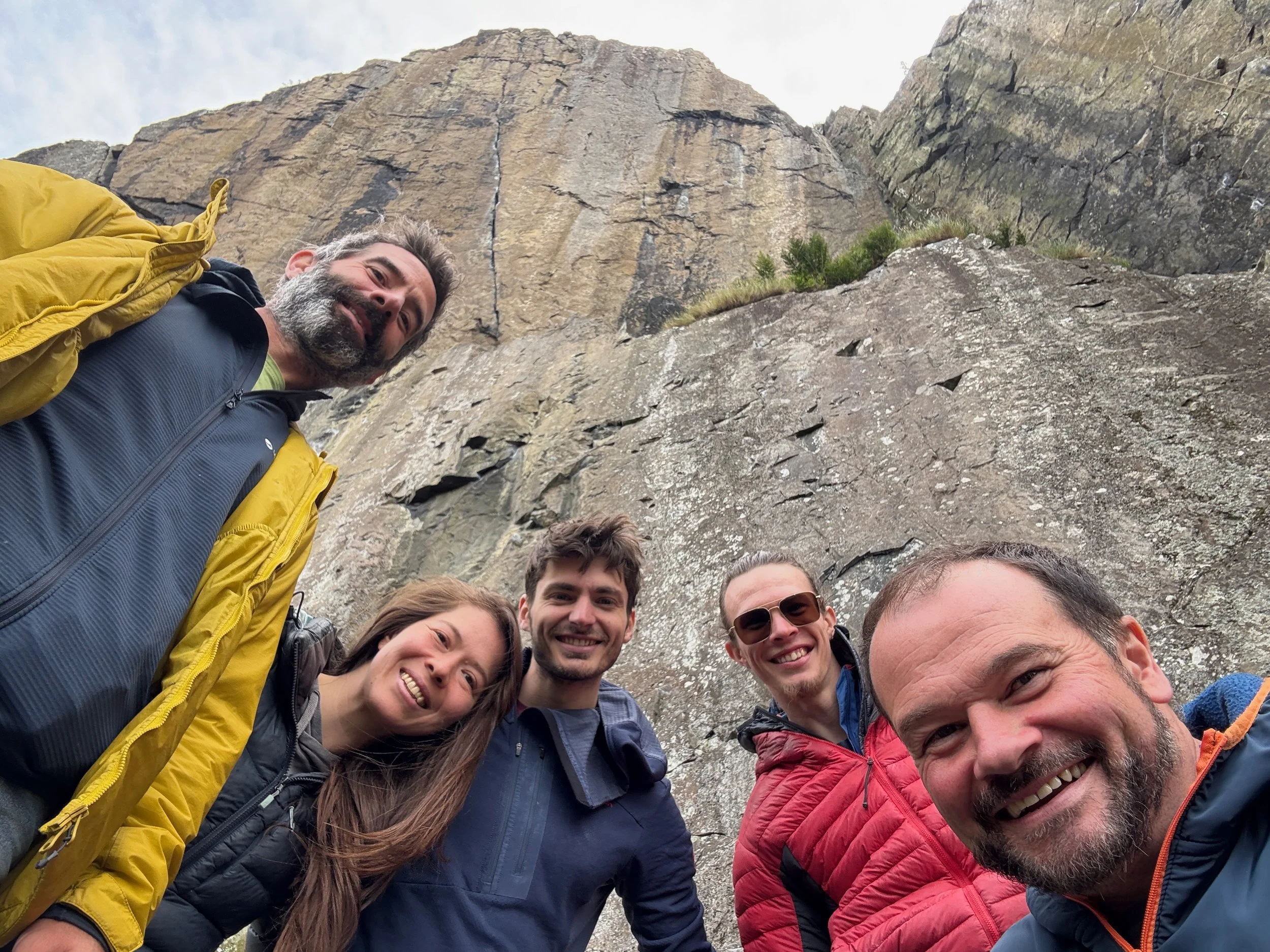
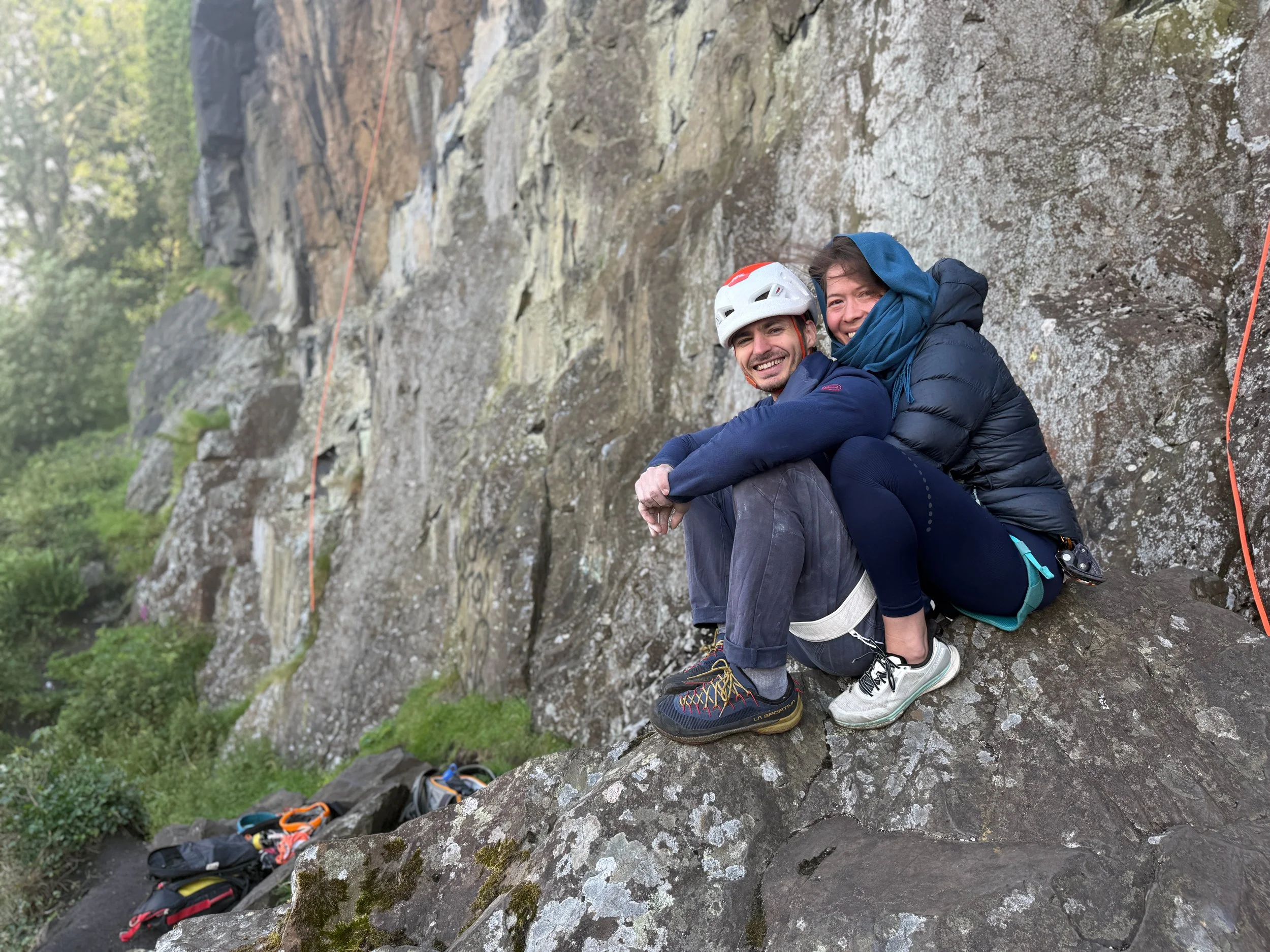
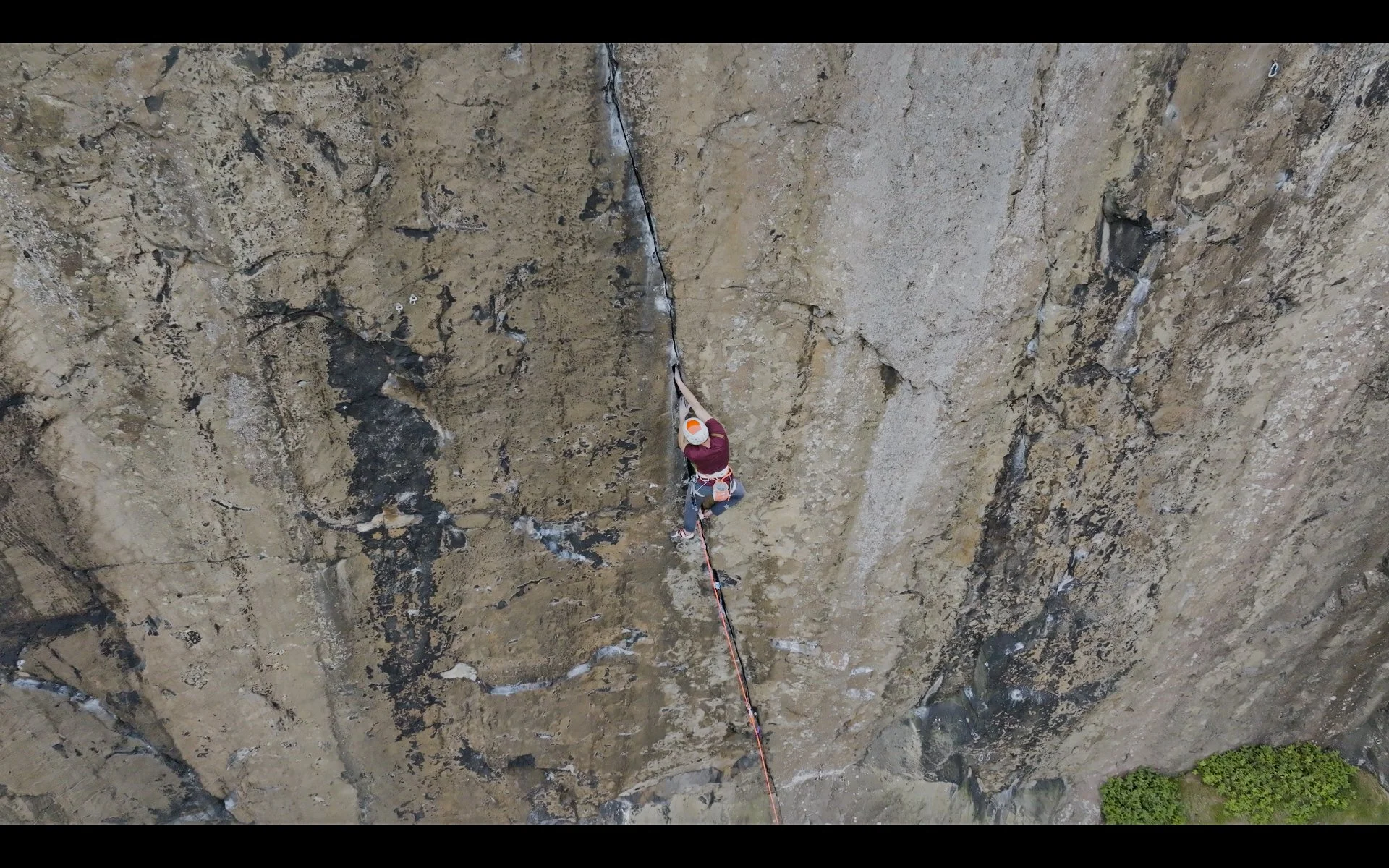
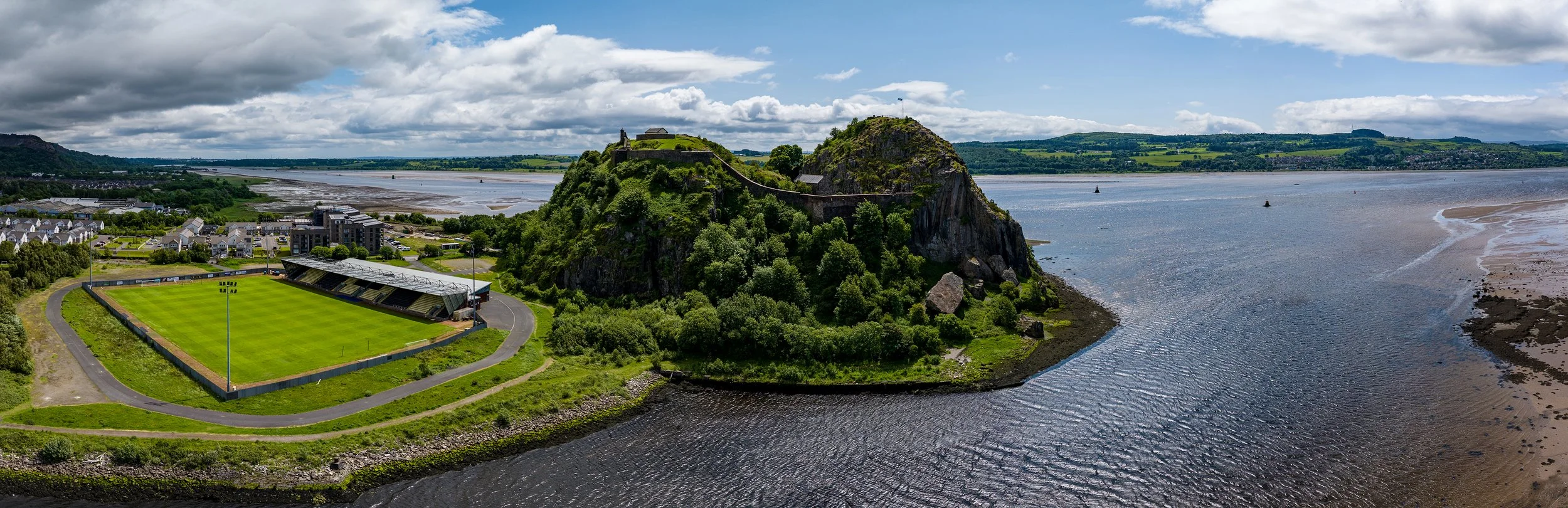
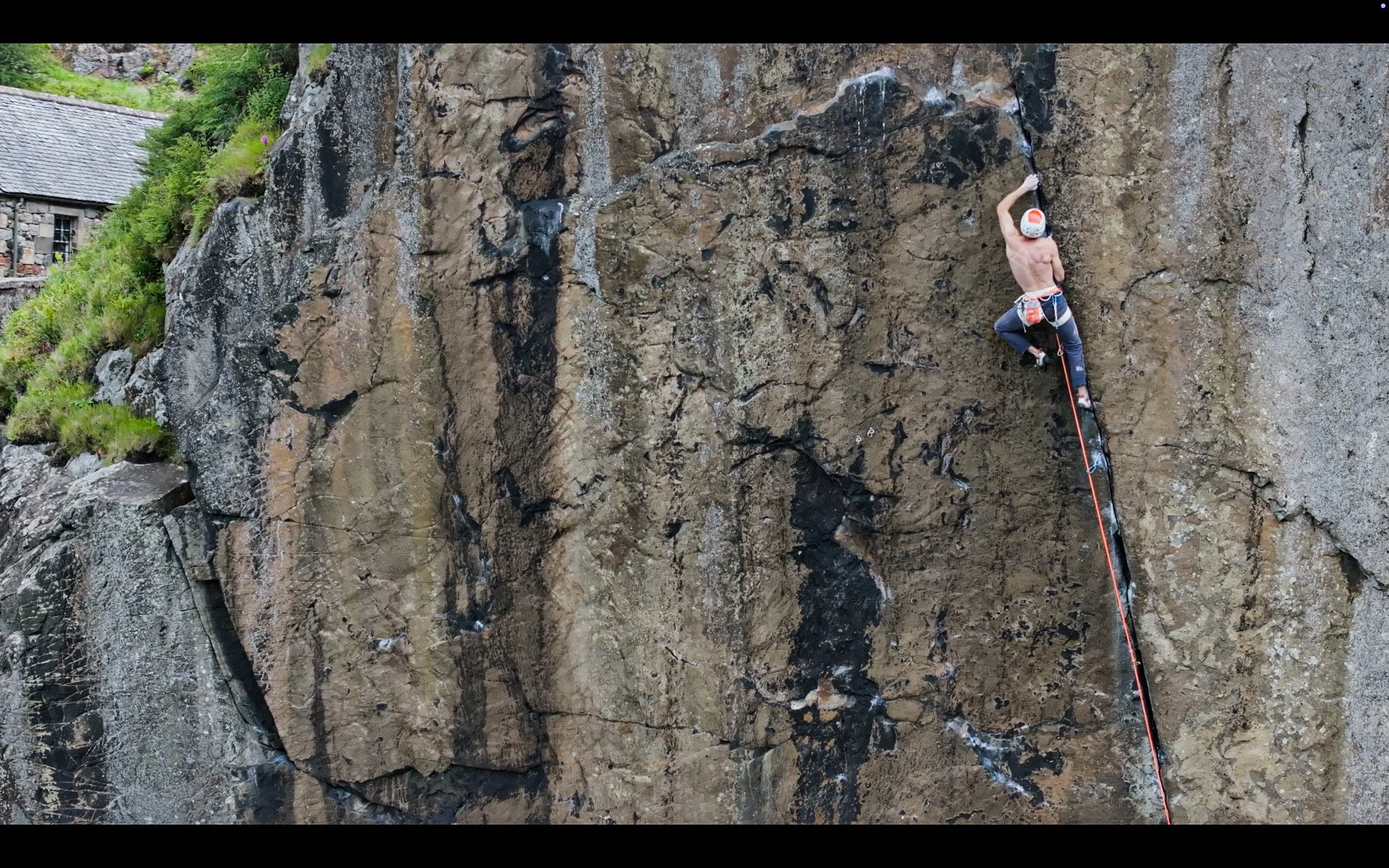
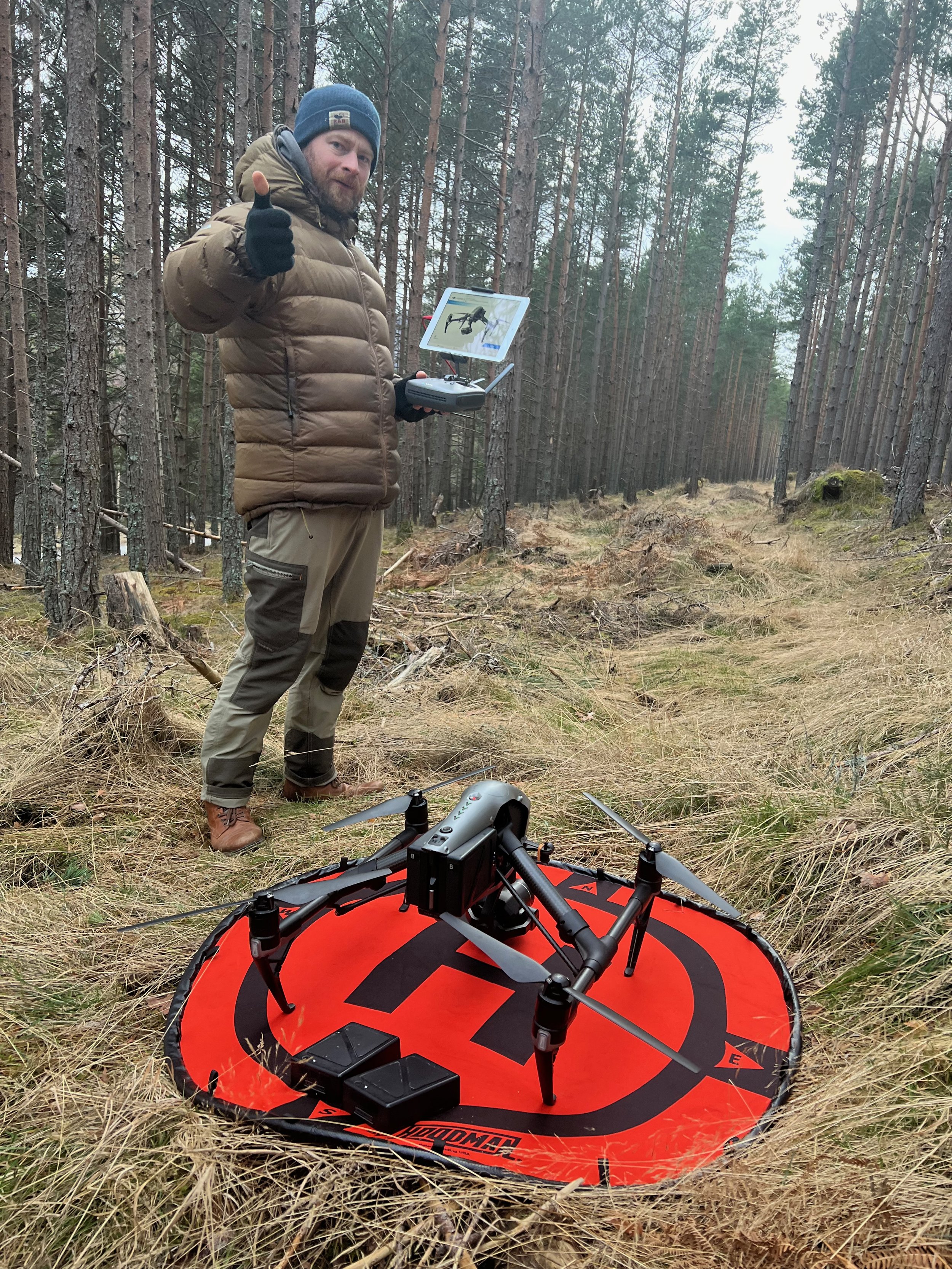
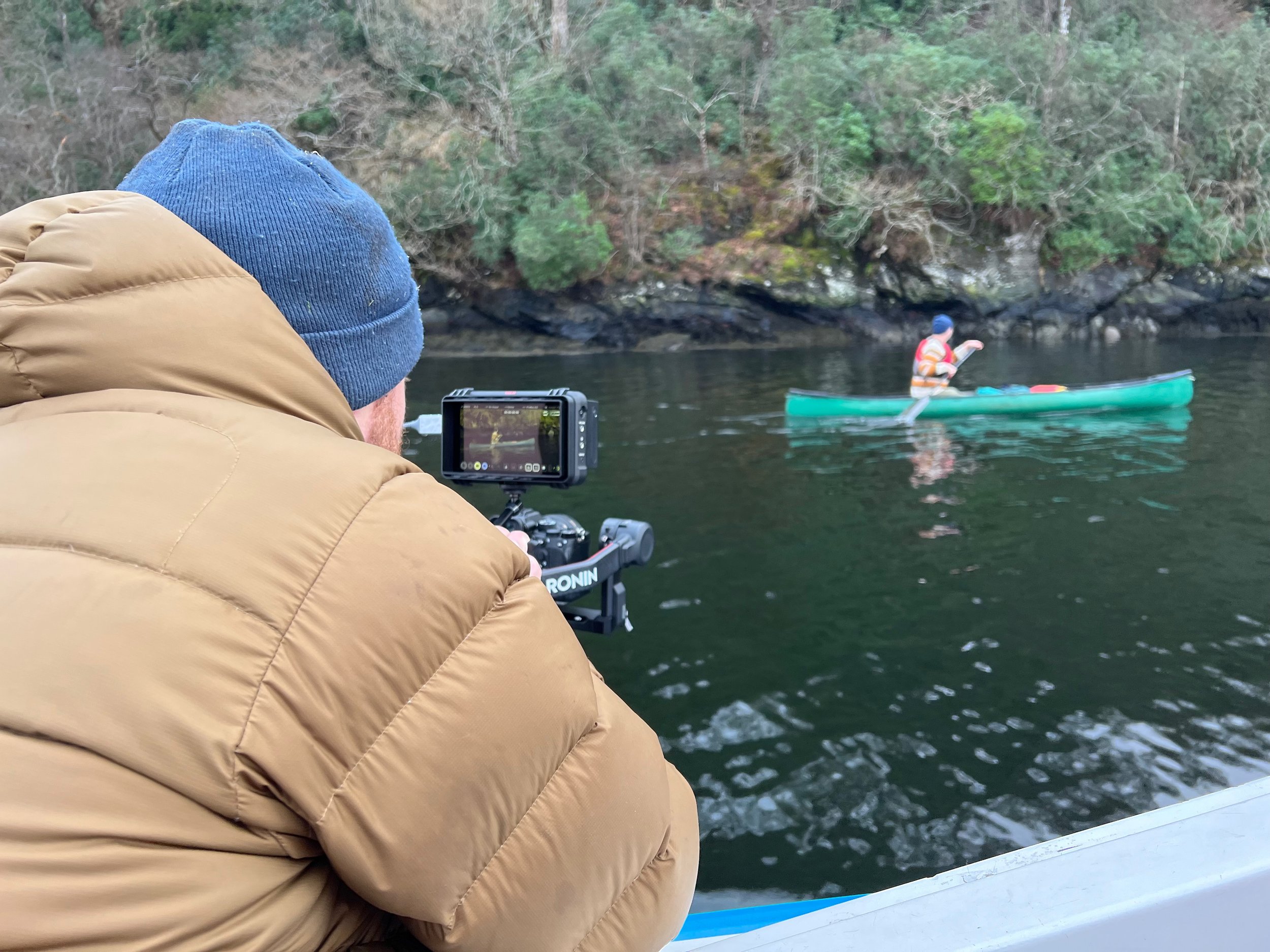
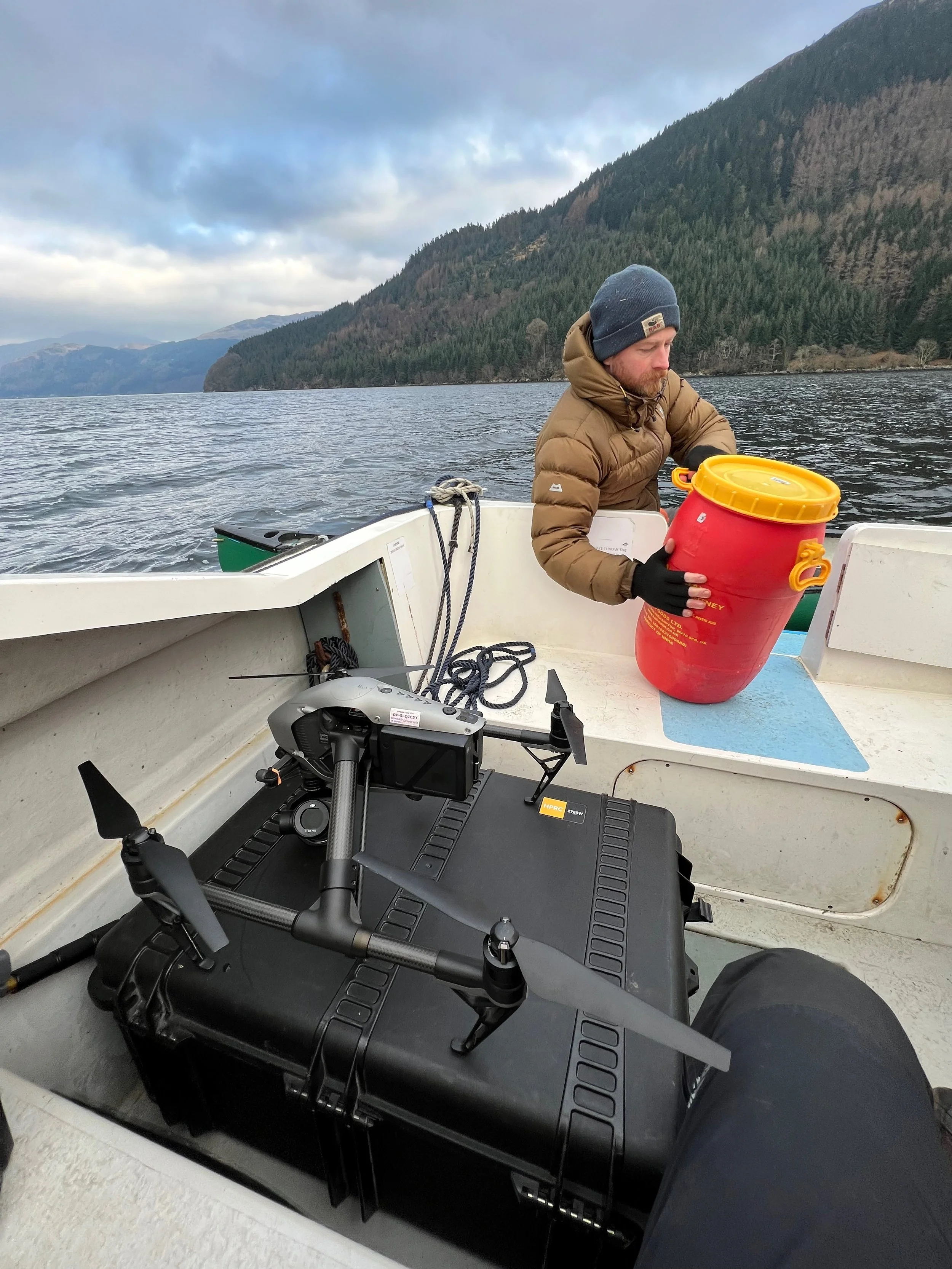
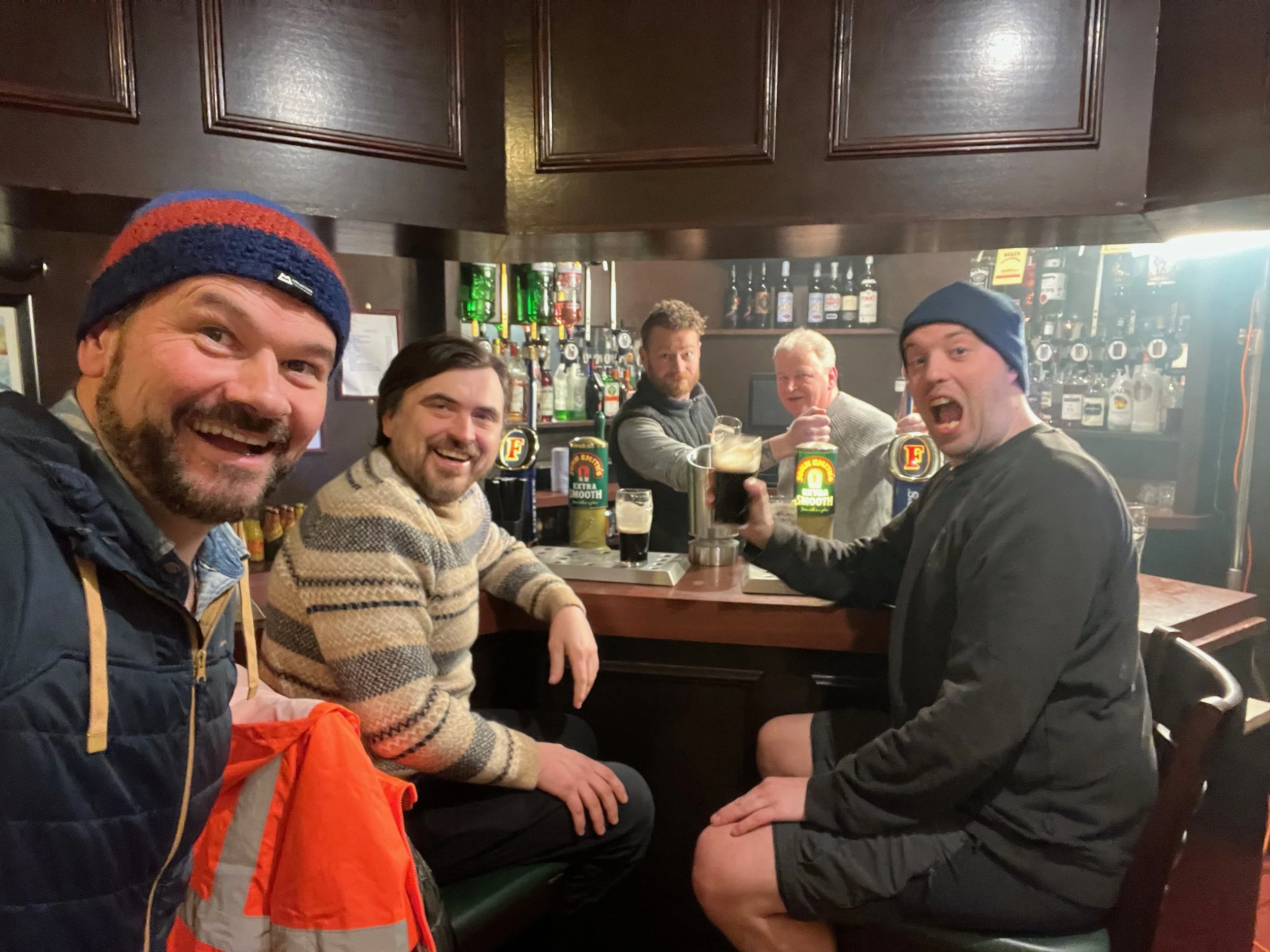
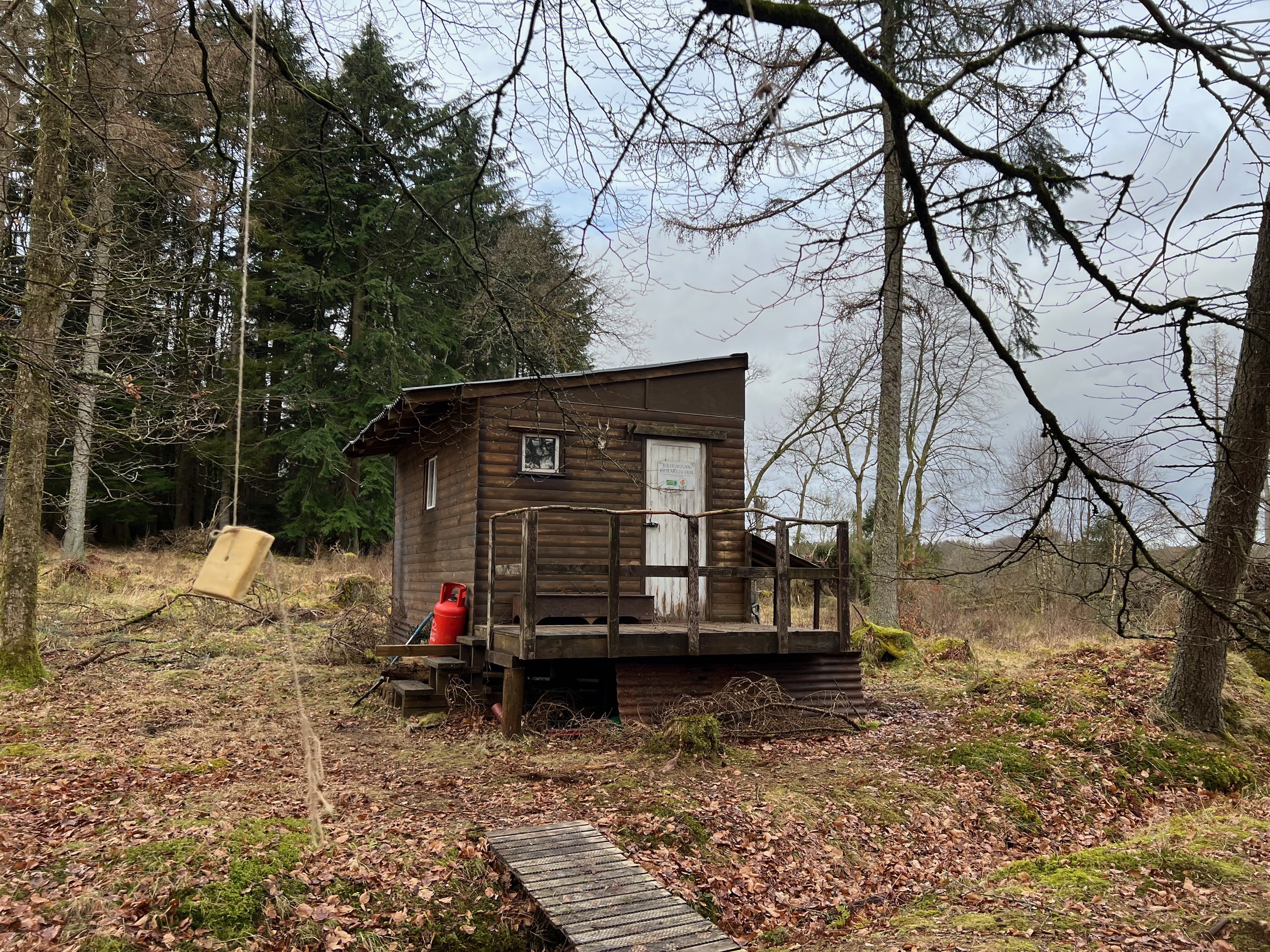
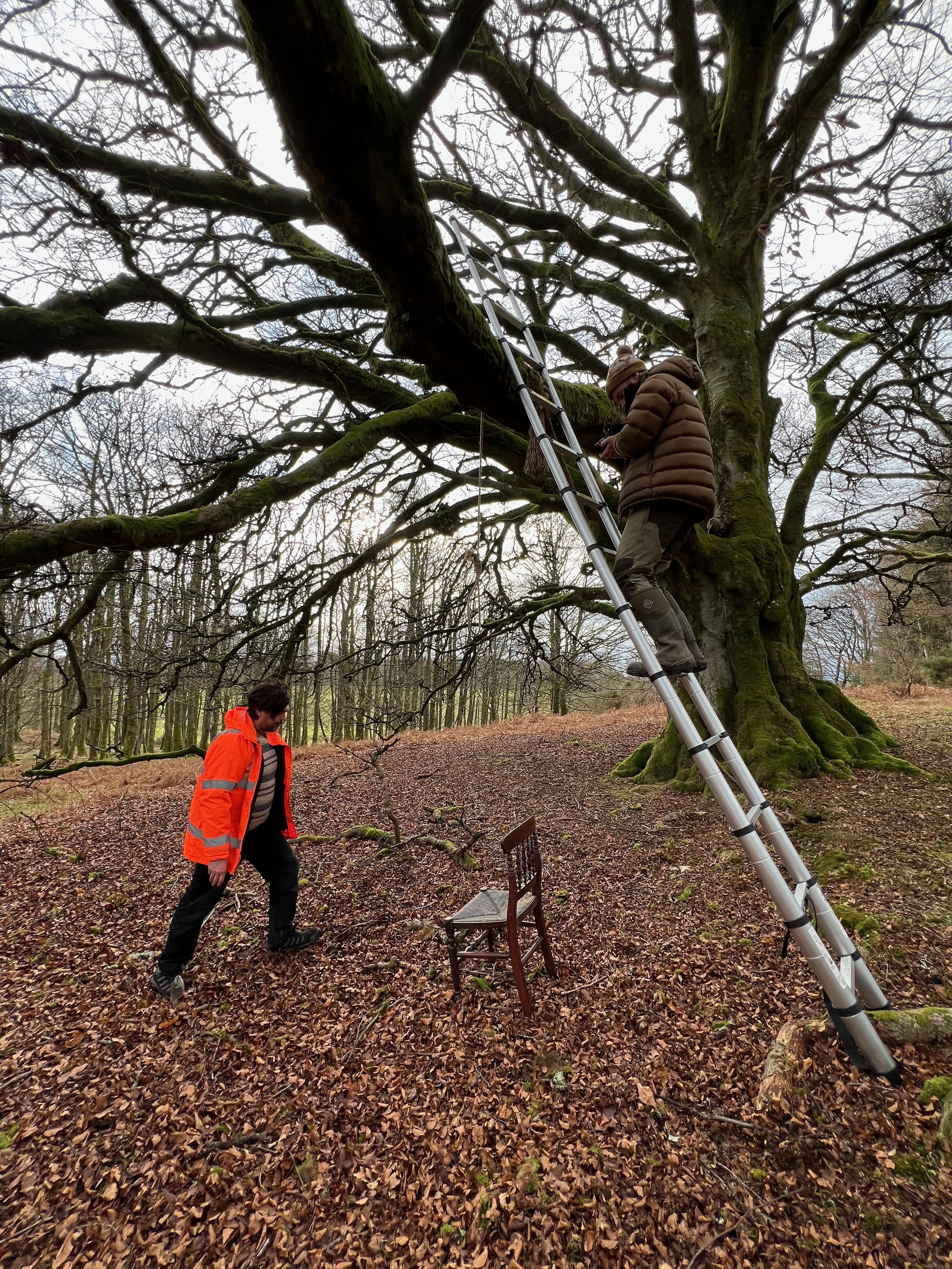
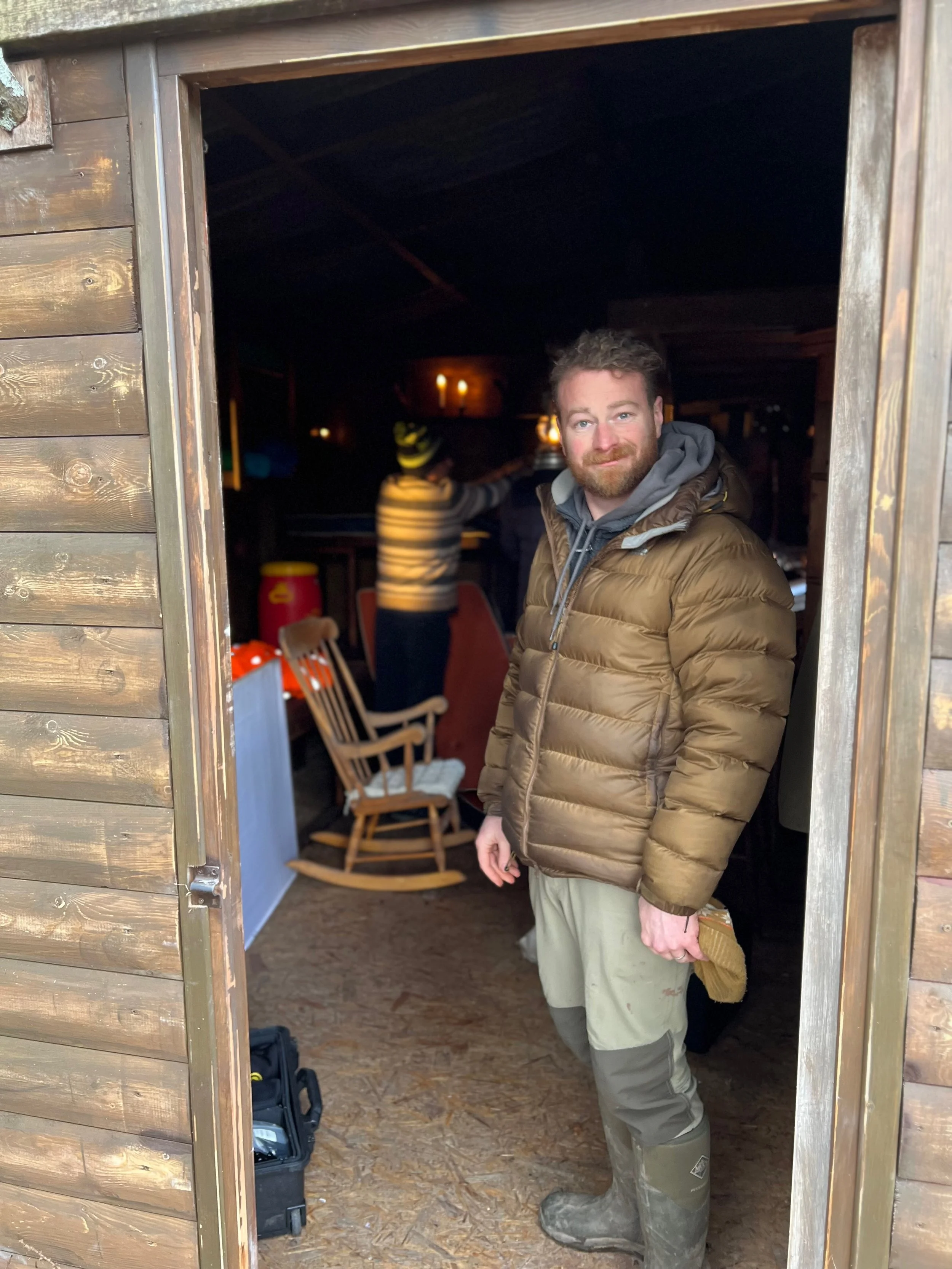
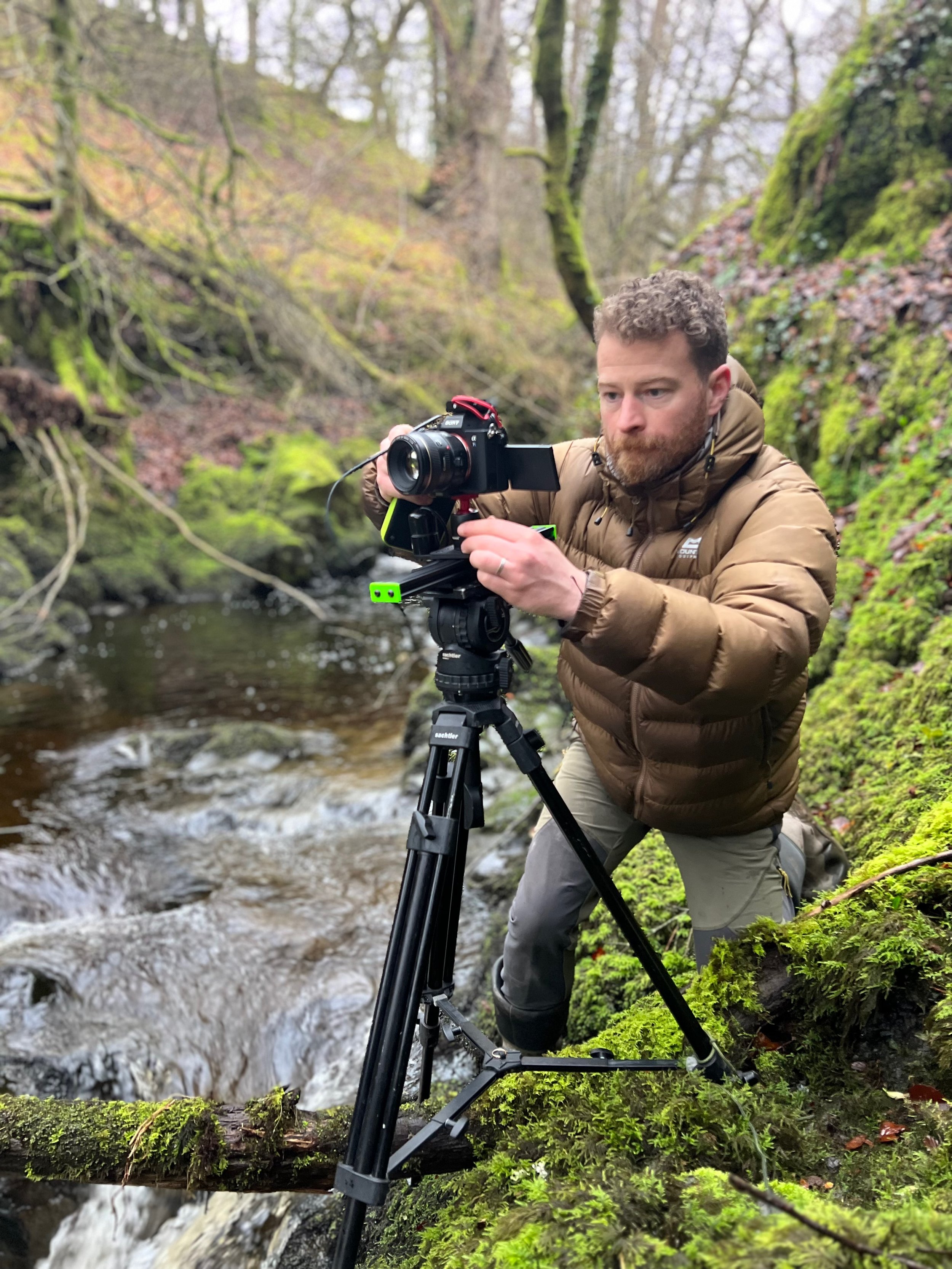
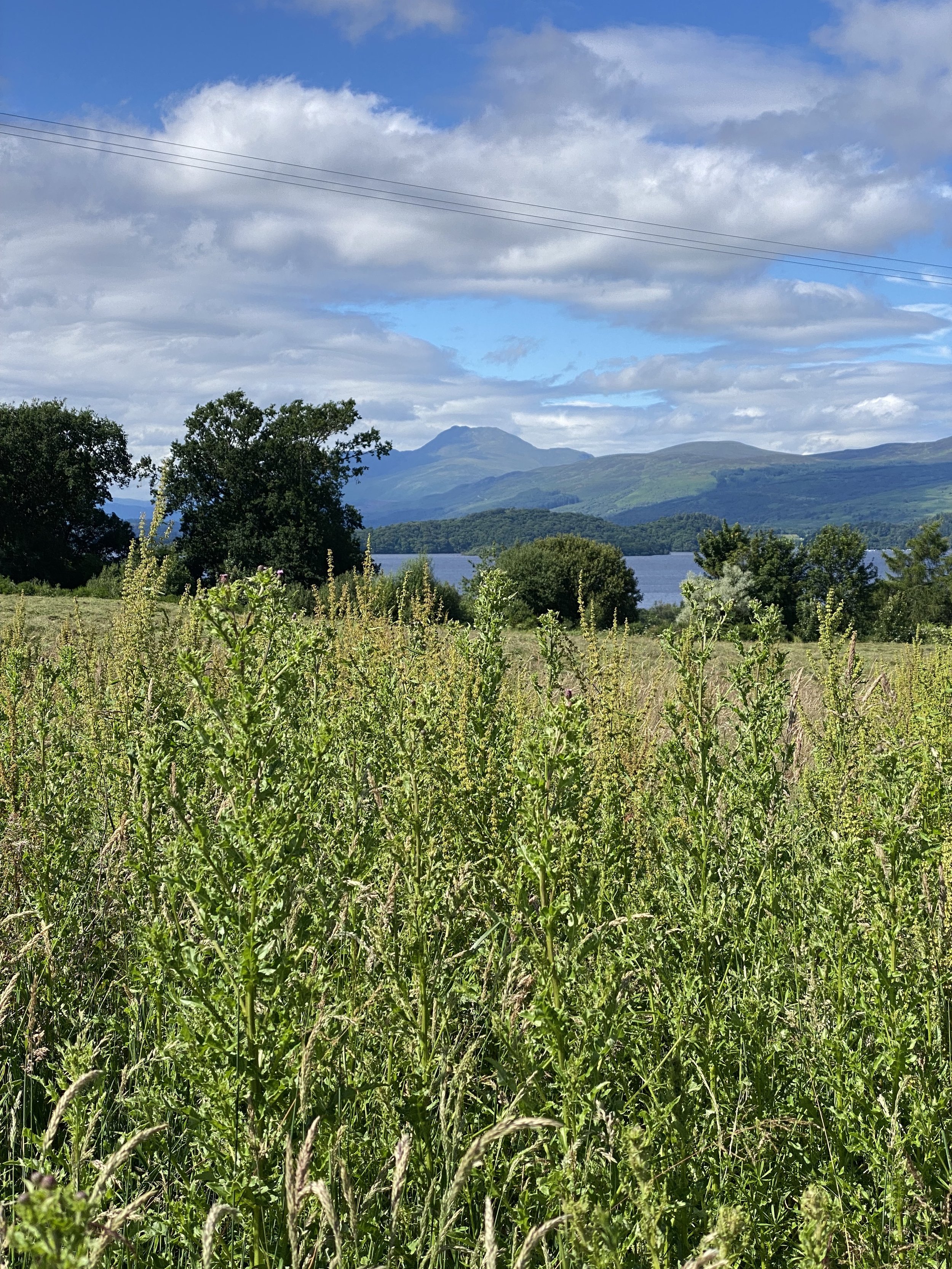
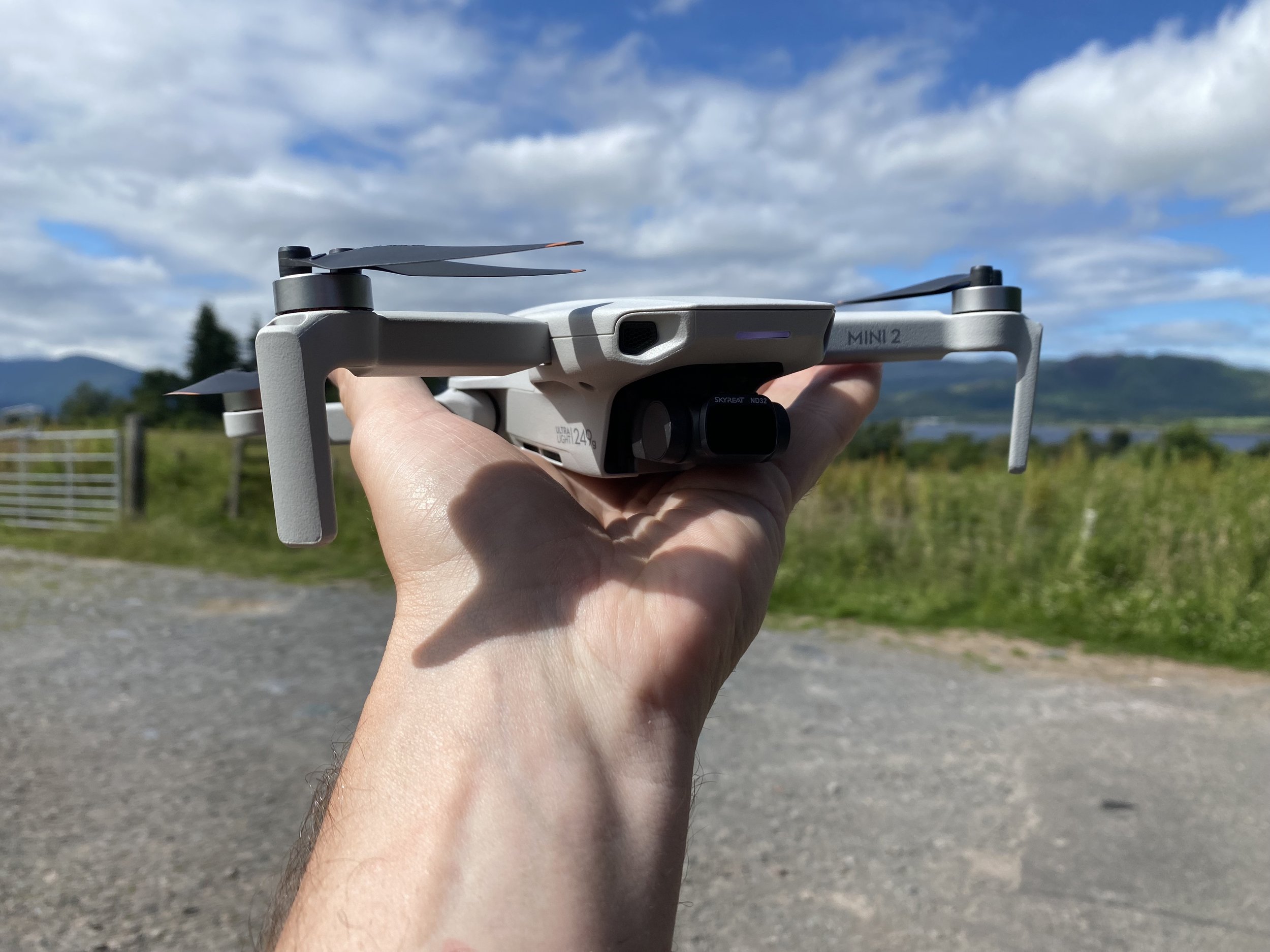
A fun bit of Drone pilot work and camera operator near Glasgow at Dumbarton Rock. I hadn’t filmed this face since 1998 with the Nick Tarmey film Cutting Loose with a bunch of us including Dave Macleod, who’s route we were here to film that he did way back in 2006 and is still ranked as one of the most physically hard routes in the UK all these years later, a little break down and history of it below:)
Rhapsody (E11) – Dumbarton Rock, Scotland
Rhapsody is one of the most iconic and demanding traditional rock climbs in the world. Located on Dumbarton Rock near Glasgow, it was first climbed by Dave MacLeod on 9 April 2006 and became the first-ever E11-graded trad route in the UK. It follows the upper half of the famous E8 route Requiem, then pushes through a brutal crux with minimal protection and huge fall potential.
MacLeod spent over two years working on the line, taking multiple 20–25 metre falls in the process. The climb was filmed in the award-winning documentary E11 by Hot Aches Productions, capturing the intense physical and psychological challenge.
The route is 35 metres long and breaks down into three parts:
An easier lower slab leading to a small rest ledge
A sustained diagonal crack (shared with Requiem) with small wire protection
A desperate and bold crux sequence (around French 8c+ / 5.14c), with almost no gear and massive fall potential
What makes Rhapsody so infamous isn’t just the technical difficulty, but the seriousness. Falling off the crux results in huge falls, often past the resting ledge and dangerously close to the ground. It’s considered one of the most dangerous trad climbs in the world.
Since MacLeod’s first ascent, it has seen very few repeats:
Dave MacLeod (2006 – first ascent)
Sonnie Trotter (2008)
Steve McClure (2008)
James Pearson (2014)
Jacopo Larcher (2016)
Gérôme Pouvreau (2018)
Mathew Wright (2024)
Each climber has confirmed the exceptional difficulty and commitment required. Even years after the first ascent, Rhapsody remains a benchmark for elite-level traditional climbing.
In the words of Magnus Midtbø, who visited the route in 2024:
"Possibly the most dangerous route in the world."